









Best Time to Visit Tanzania for a Safari: A Month-by-Month Guide
Planning a family safari in Tanzania? One of the first questions you’ll probably ask yourself is: When is the best time to go?
And it’s a good question. Tanzania is home to incredible wildlife, vast savannahs, spectacular national parks and the famous Great Migration. But the time of year you visit can influence the weather, the animals you see, how busy the parks are and, of course, how much your safari costs.
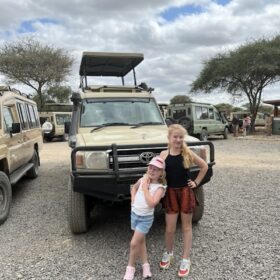
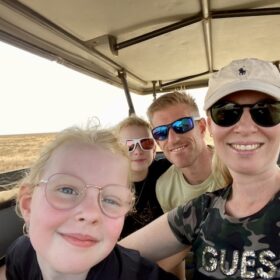
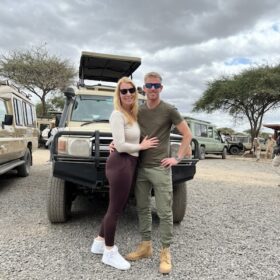
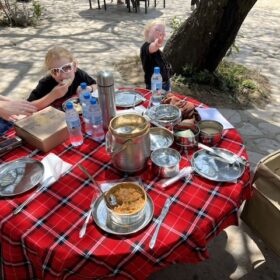
When we travelled to Tanzania with our two daughters in July 2022, we combined a week on safari with a week in Zanzibar. It was an incredible family adventure, filled with wildlife encounters, beautiful landscapes and memories we’ll never forget.
It also taught us a few practical lessons. For example, Tanzania can be surprisingly chilly in the mornings and evenings during safari season. Our sweaters and fleeces came in handy on safari, but once we reached Zanzibar, they were practically redundant. Packing for two very different destinations in one trip is a little game of its own!
So, when should you plan your Tanzanian adventure?
In this guide, I’ll explain the best time to visit Tanzania for a safari, month by month. We’ll look at the Great Migration, the best seasons for different national parks, and what to consider when traveling with kids.
Disclosure: This post may contain affiliate links. If you book or buy through them, I earn a small commission at no extra cost to you. I only recommend things we've actually used and loved. Thank you for supporting Travel-icious!
Quick Answer: When Is the Best Time to Visit Tanzania?
For most first-time visitors, June to October is one of the best times to visit Tanzania for a safari. These are generally the drier months, wildlife is often easier to spot around water sources, and conditions are usually favourable for game drives.
However, there isn’t one perfect month for every safari.
- June to October: Generally excellent safari conditions, with relatively dry weather and good wildlife viewing.
- January and February: A great period to consider the southern Serengeti, where wildebeest calving usually takes place.
- March to May: The long rainy season, when heavy showers and difficult road conditions can affect some areas.
- November and December: The short rains often arrive, bringing greener landscapes and seasonal changes in wildlife movement.
The best time for your trip depends on what you want to see, which parks you plan to visit, your budget and how flexible you can be with your travel dates.
If seeing the Great Migration is at the top of your list, timing becomes particularly important. If you’re mainly dreaming of elephants, giraffes, lions and zebras, you have more flexibility.
And if your kids are anything like ours, they’ll probably be thrilled to see an elephant regardless of which month it is. Sometimes the adults are the ones who get carried away with the spreadsheets!
Understanding Tanzania’s Safari Seasons
Tanzania’s safari seasons are largely influenced by rainfall. Rain affects more than whether you’ll need a rain jacket: it also influences the landscape, road conditions, water availability and the movement of wildlife.
The Dry Season: June to October
The dry season is generally considered the best time for a first safari in Tanzania.
Rainfall is limited, vegetation becomes less dense, and animals often gather around rivers and other remaining water sources. This can make wildlife easier to spot during game drives.
The weather is usually pleasant, although mornings and evenings can be surprisingly cool, especially in higher-altitude areas.
We traveled in July, and I’m glad we packed sweaters and fleeces for the safari portion of our trip. Once we were in Zanzibar, we hardly needed them. Tanzania clearly hadn’t received the memo that we were expecting tropical holiday weather everywhere!
Why visit during the dry season?
- Generally favourable conditions for game drives.
- Good opportunities to spot wildlife in many of Tanzania’s major parks.
- Excellent conditions for exploring the Serengeti, Tarangire and Ngorongoro area.
- A popular period for combining a safari with a beach holiday in Zanzibar.
What should you consider?
July through September can be busy, particularly in popular areas of the Serengeti. Accommodation may be more expensive, and the best camps can book up well in advance.
If you’re planning a family safari during school holidays, start researching early. You don’t want to spend months dreaming about a beautiful, tented camp only to discover that the only available option is somewhere that looks suspiciously like a parking lot.
When comparing Tanzania accommodation, Click here, check the location carefully. Distances between parks can be considerable, so a beautiful lodge isn’t necessarily the best choice if it adds hours of driving to your itinerary.
The Green Season: November to May
The wetter part of the year brings greener landscapes, seasonal changes in wildlife movements and, in some areas, fewer visitors.
However, this isn’t one long, uninterrupted rainy season. November and December usually bring the shorter rains, while March to May is generally the period of heavier rainfall. January and February can offer a different kind of safari experience, particularly in the southern Serengeti during the wildebeest calving season.
Why consider traveling during the green season?
- Beautiful green scenery and dramatic skies.
- Seasonal wildlife experiences, including the wildebeest calving period.
- Potentially quieter experiences in some parks and areas.
- Possible savings on selected accommodation, depending on your dates and destination.
What should you consider?
Rain can affect road conditions and travel times. Some camps and lodges may close seasonally, and certain areas can be harder to access.
That doesn’t mean a safari is impossible. It simply means you’ll want to plan carefully and work with an operator who understands the conditions at that time of year.
For families, flexibility is particularly useful. A little rain doesn’t have to ruin your adventure, but you probably don’t want your entire itinerary to depend on a road that becomes difficult to pass after a heavy downpour.
Tanzania Safari Month by Month
So, which month should you choose? Here’s a closer look at what you can generally expect throughout the year.
Remember that wildlife doesn’t follow a calendar with military precision. Rainfall varies, and animal movements can shift from year to year. Use this guide to help you plan rather than as a guarantee of exactly where every animal will be waiting.
If you want classic dry-season game drives, June to October is a strong starting point. If you’re hoping to see wildebeest calves, January and February may be more suitable.
Next, let’s look at the wildlife experience that influences so many safari itineraries: the Great Migration.
When Is the Best Time to See the Great Migration?
The Great Migration is one of the most spectacular wildlife events in the world. Every year, huge herds of wildebeest, accompanied by zebras and other animals, move through the Serengeti ecosystem in search of fresh grazing and water.
It sounds wonderfully straightforward: choose the right month, arrive in the Serengeti, and watch thousands of animals stroll past your vehicle.
If only wildlife travel worked quite that neatly!
The migration is a natural process influenced by rainfall and grazing conditions. The animals move throughout the year, and the timing can vary. Even during a traditionally good period, their exact location isn’t guaranteed.
January and February: Wildebeest Calving
During this period, large numbers of wildebeest gather in the southern Serengeti and surrounding Ndutu area, where calving usually takes place.
It’s an extraordinary time to witness the cycle of life on the plains. Young wildebeest are born in large numbers, attracting predators such as lions and hyenas.
For families, this can be an unforgettable wildlife experience. However, it can also be emotionally intense: nature doesn’t always provide the child-friendly version of events we’d choose for a documentary night at home.
March to May: A Changing Landscape
As the rains and grazing conditions change, the herds gradually move away from the southern plains.
The exact timing varies, and the long rains can affect both visibility and road conditions. This period requires careful planning, especially if you’re traveling with children and have limited flexibility.
June and July: Movement Toward the Western and Northern Serengeti
As the dry season progresses, parts of the migration may move through the western Serengeti and toward the north.
The precise route depends on conditions that year. A knowledgeable safari operator can help you choose a route and accommodation that make sense for the expected movements.
August to October: Northern Serengeti and River-Crossing Opportunities
During parts of this period, herds may be found in the northern Serengeti, where they cross rivers as they continue their journey.
River crossings can be dramatic, but they are unpredictable. The animals may arrive quickly, wait for hours or choose a different crossing point entirely.
If witnessing a crossing is your main goal, allow enough time in the area rather than planning your entire trip around one particular morning.
November and December: Movement Back Toward the South
With the short rains and fresh grazing, herds often begin moving south again. The exact timing varies depending on rainfall and local conditions.
Our tip: If the Great Migration is your main reason for visiting Tanzania, choose your travel dates and accommodation together. Don’t book flights first and assume you’ll easily find a suitable camp in the right part of the Serengeti afterward.
For a closer look at the park itself, read Serengeti National Park: Everything You Need to Know Before You Go.
And remember: the Great Migration is spectacular, but it isn’t the only reason to go on safari. Tanzania has plenty of other wildlife experiences to offer, even if the wildebeest haven’t followed your carefully researched itinerary.
The Best Time to Visit Tanzania’s Major Safari Parks
Tanzania has several outstanding national parks and wildlife areas. The best time to visit depends partly on which ones you want to include in your itinerary.
Serengeti National Park
The Serengeti is famous for its open plains, predators and the Great Migration.
June to October is generally a strong period for safari, although the best area to visit depends on the seasonal movement of the herds. January and February can be particularly rewarding in the southern Serengeti during the calving season.
Because the park is so large, it’s worth thinking beyond simply booking a lodge with “Serengeti” in its name. Where you stay can make a real difference to how much time you spend driving and which wildlife experiences are realistically accessible.
Read Serengeti National Park: Everything You Need to Know Before You Go before deciding how many nights to spend here.
Tarangire National Park
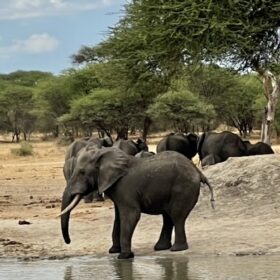
Tarangire is known for its elephants, baobab trees and varied landscapes.
The dry season, particularly from around June to October, is often an excellent time to visit. As water becomes scarcer in the surrounding areas, animals may gather around the Tarangire River.
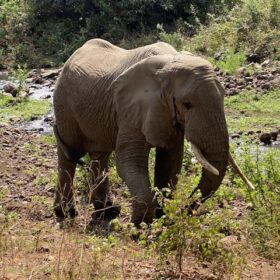
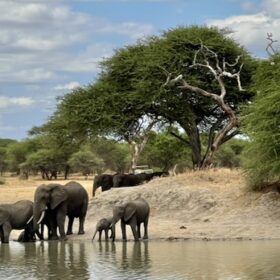
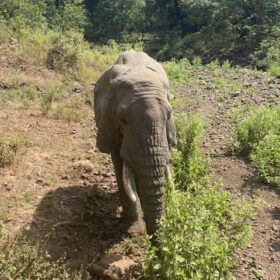
If elephants are high on your family’s wish list, Tarangire is well worth considering. And if your children are anything like ours, one elephant can easily become the highlight of the day. You can spend hours researching the perfect safari, only for everyone to agree that the elephant scratching itself against a tree was the best bit.
Ngorongoro Conservation Area
The Ngorongoro Conservation Area is home to the famous Ngorongoro Crater, a remarkable landscape with excellent opportunities for wildlife viewing.
The crater can be visited throughout the year, although weather and road conditions vary by season. The dry months are popular, while the greener months can offer beautiful scenery.
The crater is often included in a northern Tanzania safari because it combines well with other major destinations. Allow time for the journey and check how the crater visit fits into your overall route.
Lake Manyara National Park
Lake Manyara offers a different landscape from the wide-open plains of the Serengeti, with woodland, forest and lake environments.
Wildlife viewing is possible throughout the year, but the experience can change with rainfall and water levels. It can make a useful addition to a northern circuit itinerary, depending on your interests and how much time you have available.
Arusha National Park
Arusha National Park is often overlooked in favor of Tanzania’s more famous safari destinations, but it offers a different experience, with forest, crater scenery and views of Mount Meru when conditions allow.
It’s also relatively close to Arusha, which can make it a practical option at the beginning or end of a trip.
If you’re planning a safari with children, don’t feel that you must squeeze every national park into one itinerary. Traveling between parks takes time, and seeing fewer places properly can be more enjoyable than ticking off a long list while everyone slowly loses the will to live in the back of the vehicle.
When Is the Best Time to Visit Tanzania With Kids?
The best time for a family safari depends on your children’s ages, your budget, school holidays and the kind of experience you want.
For many families, June to October is a good starting point because of the generally dry conditions and excellent wildlife-viewing opportunities in many parks. But a few practical considerations can help you decide.
School Holidays and Crowds
If you’re traveling from the Netherlands, the summer holidays may be the most convenient time for a longer trip. July and August are popular safari months, so accommodation and flights can be more expensive.
If your dates are flexible, compare different departure periods. Even moving your trip by a few weeks can make a difference to availability and cost.
Cooler Mornings and Evenings
A safari doesn’t necessarily mean hot weather from sunrise to sunset.
Early-morning game drives can be chilly, particularly in higher-altitude areas and in an open safari vehicle. Pack layers that you can easily add or remove as the day warms up.
We were glad we brought sweaters and fleeces for Tanzania in July. In Zanzibar, however, they stayed in our luggage. That was one more reason why separating our safari and beach packing worked so well.
For a practical checklist, take a look at What to Pack for an African Safari: The Ultimate Packing List. It covers clothing, shoes, bags and the essentials you’ll want to have within reach during game drives.
And if you’d like a ready-made checklist for your next family adventure, browse our Travelicious packing lists in the shop.
Keep Travel Days Realistic
When traveling with kids, the number of hours spent driving matters just as much as the wildlife you hope to see.
A route that looks manageable on a map may involve long journeys on roads that are slower than you expect. Give yourself enough time at each destination and avoid changing accommodation every night if you can.
If you’re still working out the route, our Tanzania Itinerary: 14 Days of Safari and Zanzibar with Kids is a useful place to start.
Wondering whether a safari is suitable for your family at all? Read Safari with Kids: Is Tanzania a Family-Friendly Destination? before making your plans.
Can You Combine a Tanzania Safari With Zanzibar?
Absolutely! In fact, combining a safari with a beach holiday was one of the best decisions we made.
We spent a week exploring Tanzania’s wildlife and then headed to Zanzibar for a week of beach time. After early mornings, game drives and long journeys, having time to relax by the ocean was a wonderful way to finish the trip.
The two destinations offer very different experiences. On safari, your days revolve around wildlife, landscapes and the next game drive. In Zanzibar, you can slow down, enjoy the beaches and explore the island at your own pace.
The period from June to October is a popular choice for this combination, although Zanzibar can be visited at other times of year too. Check the weather patterns for your chosen dates and consider what you want from the beach portion of your trip.
Start with Zanzibar: The Ultimate Family Travel Guide to explore the island and read Where to Stay in Zanzibar: Best Areas & Resorts before choosing your accommodation. The best area depends on whether you’re looking for swimming beaches, restaurants, excursions or a quieter resort stay.
You can also discover The Best Beaches in Zanzibar if your idea of a perfect post-safari day involves sand between your toes and absolutely no one asking you to get back into a safari vehicle before sunrise.
When booking your accommodation, think about the two parts of your trip separately. Safari lodges and beach resorts serve very different purposes, so choose each one for the experience you want rather than trying to find one type of accommodation that does everything.
How Much Does the Time of Year Affect Safari Costs?
The season can have a significant impact on the cost of a Tanzania safari.
The dry season is popular, particularly in areas associated with the Great Migration. Accommodation may be more expensive during peak periods, and availability can be limited at sought-after camps and lodges.
Traveling in a quieter period may offer better rates at some properties, but lower accommodation prices don’t automatically mean the entire trip will be cheaper. Weather, road conditions, camp closures and the logistics of reaching particular areas all matter.
When comparing options, look at the full cost rather than the nightly accommodation rate alone.
Consider:
- International flights.
- Safari accommodation.
- Park and conservation fees.
- Your safari vehicle and guide.
- Transfers between destinations.
- Domestic flights, if needed.
- Food and drinks, depending on your package.
- Tips and travel insurance.
- Accommodation and activities in Zanzibar, if you’re combining the two.
If you’re traveling as a family, these costs can add up quickly. It’s worth deciding which experiences matter most to you before choosing where to spend your budget.
You can compare Tanzania accommodation on Booking.com, Click here while researching your options, but check whether the price includes meals, transfers or other services. A room-only rate isn’t always comparable with a safari package that includes most of your daily expenses.
For a more detailed breakdown, read How Much Does a Tanzania Safari Cost?.
When Should You Book?
For travel during the popular dry season, especially July and August, booking well in advance is sensible. This is particularly important if you have school-holiday dates to work around or want to stay in a specific camp.
Once you’ve settled on your preferred travel period, start looking at the safari route and accommodation together. That way, you can check availability before committing to a plan that depends on a particular location.
Practical Things to Consider Before Choosing Your Dates
The weather and wildlife are important, but they’re not the only things that can influence your trip.
Check Travel Advice and Health Recommendations
Before traveling, check the latest entry requirements and travel advice for Tanzania. Health recommendations can depend on your itinerary, the regions you’re visiting and your personal circumstances.
Speak to a travel health professional well before departure about vaccinations, malaria prevention and other precautions relevant to your trip.
Our guide Travel Tips for Tanzania: Visa, Money, Vaccinations & Safety will help you work through the practical preparation.
Travel insurance is another thing to arrange before you go. Compare travel insurance options for your family holiday and check that the policy covers the activities and destinations on your itinerary, including safari travel where applicable.
Don’t assume every policy covers every type of trip. It’s worth reading the details before you need them.
Think About Internet Access
You may not spend much time looking at your phone during a game drive, but internet access can still be useful for keeping in touch with home, checking travel information or sorting out practical details.
If you want mobile data during your trip, compare Tanzania eSIM options from Airalo, Click here before departure. Check that your phone supports eSIMs and that the plan covers the places you’ll visit.
And if your children are traveling with tablets or phones, decide in advance how much screen time you want during the safari. You’ll probably want them looking out of the window when a giraffe appears rather than watching a screen.
Although, to be fair, keeping everyone entertained during a long transfer is a different matter. I’m not here to judge anyone’s emergency iPad strategy!
So, What Is the Best Month for a Tanzania Safari?
If you want a straightforward recommendation, June to October is an excellent period for a first safari in Tanzania, particularly if wildlife viewing and generally dry conditions are your priorities.
But the best time for your family depends on what you want from the trip.
- Choose January or February if you’re interested in the wildebeest calving season in the southern Serengeti.
- Choose June to October for a classic dry-season safari.
- Consider the wetter months if you’re flexible with your itinerary and interested in greener landscapes or potentially quieter experiences.
- Plan carefully around the Great Migration if seeing the herds is your main priority.
- Consider June to October for a safari and Zanzibar combination, while checking conditions for both destinations before booking.
Most importantly, don’t choose your dates based on one wildlife photograph or a promise that you’ll see a particular animal in a particular place. Tanzania is a natural environment, and wildlife sightings can never be guaranteed.
That’s part of the adventure. You can research, plan and prepare, but the animals haven’t read your itinerary.
Frequently Asked Questions About the Best Time to Visit Tanzania
What is the best month to go on safari in Tanzania?
June to October is generally an excellent period for a safari, thanks to the drier weather and good wildlife-viewing conditions in many parks. January and February can be particularly rewarding for visitors interested in the wildebeest calving season in the southern Serengeti.
What is the worst time to visit Tanzania for a safari?
March to May is generally the wettest period, and heavy rain can make some roads difficult to navigate. However, a safari is still possible, depending on your route, accommodation and travel preferences. The wetter months aren’t automatically a bad choice; they simply require more careful planning.
Can you go on safari in Tanzania in July?
Yes. July is a popular month for a Tanzania safari. It falls within the dry season, and wildlife viewing can be excellent in many parks. It can also be busy, particularly in popular areas of the Serengeti, so booking accommodation early is advisable.
When is the Great Migration in Tanzania?
The Great Migration takes place throughout the year as wildebeest and other animals move through the Serengeti ecosystem. January and February are associated with the calving season in the south, while parts of the migration may be found in the western and northern Serengeti during the middle and later parts of the year. Exact timing depends on rainfall and grazing conditions.
Is Tanzania good for a family safari?
Yes, Tanzania can be a wonderful destination for a family safari, provided you choose an itinerary, accommodation and activities that suit your children’s ages and needs. Consider travel times, the length of game drives and any age restrictions imposed by individual camps or operators.
Is it worth combining a Tanzania safari with Zanzibar?
Absolutely. A safari followed by a beach holiday offers a great mix of wildlife, adventure and relaxation. The dry season from June to October is a popular time for this combination, although the best dates depend on your safari plans and the weather conditions you prefer in Zanzibar.
How far in advance should you book a Tanzania safari?
For popular travel periods, particularly July and August, booking several months in advance is a good idea. If you want a specific camp or need to travel during school holidays, starting earlier gives you more choice. It’s worth planning your route and accommodation together rather than booking each part separately without checking how they fit.
Ready to Plan Your Tanzania Safari?
Choosing the best time to visit Tanzania is an important first step, but there’s more to planning a successful family safari. You’ll also need to decide which parks to visit, how long to stay in each location, where to sleep and how to balance game drives with time to relax.
If you’re still putting your trip together, start with Tanzania Itinerary: 14 Days of Safari and Zanzibar with Kids. It will help you bring the different parts of your adventure together, from wildlife encounters to relaxing days on the beach.
And if you’d rather have some help planning your trip, that’s where my Let Me Plan Your Trip service comes in.
Tell me where you’d like to go, when you’re traveling, who’s coming along, your budget and what your family enjoys. I’ll create a personalized seven-day itinerary with accommodation and activity suggestions, practical advice and one revision so we can fine-tune the plan.
Because family travel is supposed to be about making memories together, not spending every evening buried in seventeen browser tabs while trying to work out whether a lodge is actually near the park you want to visit.
Sometimes, a little help is all you need to turn that dream trip into a plan you can get excited about.
Read our EVERYTHING YOU WANT TO for more tips and inspiration.
About the Author

Author / Founder of Travel-icious.com
Family travel blogger with 10+ years of experience. Travelling with kids across the globe.