











Travel Tips for Tanzania: Visa, Money, Vaccinations & Safety
A Tanzanian safari had hovered near the top of our bucket list for ages, but things moved fast once I started reading trip reports online one evening. Pim tracked down a great deal on flights, and just like that, our family getaway to Africa was locked in.
Disclosure: This post may contain affiliate links. If you book or buy through them, I earn a small commission at no extra cost to you. I only recommend things we've actually used and loved. Thank you for supporting Travel-icious!
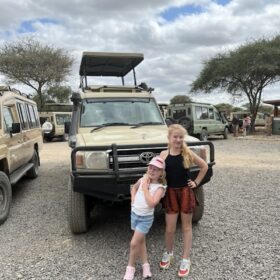
Come July 2022, we landed in Tanzania with our daughters, Anneloes and Evelijn, who were nine and five back then. Our plan was simple: spend seven days on safari, then head straight to Zanzibar for a week by the water. Watching lions roam across the plains sounded incredible, but we were realistic. Bouncing around in a dusty jeep at dawn for a week straight takes it out of you, and we knew all four of us would need some lazy beach days afterward.
Turns out, that balance was spot on.
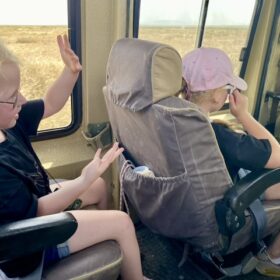
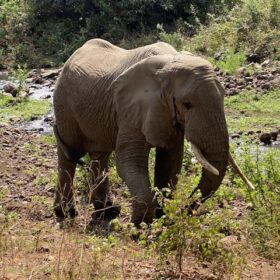
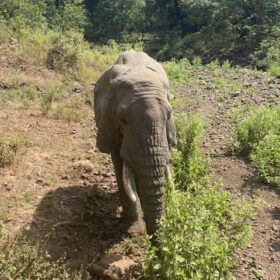
We tracked wild animals, slept under canvas in the middle of the Serengeti, and had moments that still give me chills. Did everything go smoothly? Not quite. Travelling with young kids always keeps your ego in check. While Pim and I were staring open-mouthed at a herd of elephants, the girls were busy arguing in the back seat over whether Tanzania had any McDonald’s. That is family travel in a nutshell: you plan this grand, life-changing trip, and your children just want chicken nuggets.
If you are thinking about doing something similar, you will want to get your ducks in a row before you fly. Between visas, vaccines, safari transport, cash, and insurance, there is plenty of admin to handle. I have put together the practical bits we learned along the way so you know what to expect when taking your own crew to Tanzania.
Keep in mind that while our family adventure was in July 2022, entry rules and health policies shift all the time. I have kept our personal stories separate from the hard facts, with links out to official sites throughout.
Working out your stops? Have a look at our Tanzania itinerary: 14 days of safari and Zanzibar with kids or read through our complete Tanzania safari guide to help map out your days.
Quick heads-up: our stories date back to our July 2022 travels. The practical requirements here were updated in October 2026, but please double-check current official travel guidance before you pack your bags.
1. Do You Need a Visa for Tanzania?
Yes, if you hold a Dutch passport like me, you’ll need a visa to enter Tanzania as a tourist. Keep in mind that this rule covers the mainland as well as Zanzibar. Taking the kids along? They can’t piggyback on your paperwork; every child needs their own valid passport and visa too. A standard tourist visa gives you up to 90 days to explore, assuming you meet all the usual entry requirements.
How to apply for a Tanzania visa
Take it from me: sort out your visa before you head to the airport. The smoothest route is applying directly through the official Tanzanian immigration website ahead of time. Watch out for third-party agencies that pop up in search results they just charge hefty middleman fees for something you can easily do yourself on the state portal. Before you sit down with your laptop, double-check the rules tied to your passport and trip details. You’ll likely need to upload a few files, usually your passport details, hotel reservations, or a rough day-by-day itinerary.
Check your passport validity
Before you do anything else, pull out your passport and flip to the expiration date. Tanzanian immigration officers won’t let you through unless you have at least six months of validity left, plus a completely blank page waiting for that entry stamp. Double-check the rules right now if your document is anywhere near expiring.
Travelling with kids? Sit down and open their passports, too. Trust me, you get so wrapped up in organizing your own paperwork that it slips your mind, but little ones need to meet every single entry requirement on their own.
Here’s my advice: never push this to the final week. You want a buffer for system hiccups or surprise questions, and you’ll want to review every name and number against the passports before hitting submit. Take a quick look at the official Tanzania eVisa application portal and the Netherlands Worldwide Tanzania travel advice to see the most current guidelines.
2. Mandatory Travel Insurance for Tanzania
I never travel with my family without sorting our insurance first. A sudden fever, a missed connection, or an emergency hospital run in an unfamiliar place can drain your savings fast.
Heads up, though, because the entry rules have changed. As of 1 October 2026, foreign visitors heading to mainland Tanzania have to purchase official inbound travel insurance, barring a few specific exemptions. Just keep in mind that Zanzibar runs its own separate system.
For the mainland, the policy runs about US$44 per person. That covers you for up to 92 days under their standard terms.
You’ll need to go through the state-run providers:
Mainland Tanzania: National Insurance Corporation (NIC).
Zanzibar: Zanzibar Insurance Corporation (ZIC).
Which one you buy depends entirely on where your plane touches down first. Official guidance says that if you land on the mainland and pick up the NIC policy, you can hop over to Zanzibar later without buying a second local plan.
Landing in Zanzibar first instead? You will need to sort out the ZIC policy requirements. Double-check the latest fine print for your exact route before paying, and make sure you keep a copy of that certificate handy on your phone while traveling.
Does this replace your normal travel insurance?
Short answer? No, definitely not. You shouldn’t treat this mandatory inbound plan as a substitute for your regular travel insurance.
Take a close look at your personal policy to see if it actually handles medical bills, emergency assistance, trip cancellations, lost luggage, and the specific excursions you have planned. Heading out on safari? Make sure you double-check the fine print for medical evacuations and remote emergencies getting stranded in the bush without transport coverage is a nightmare scenario. Read those exclusions carefully, because the cheapest policy out there won’t do you any good if it leaves you high and dry.
My advice is to sort out your coverage well before you head to the airport. Never assume an old policy from a past vacation meets the current entry rules. Always check the official NIC mainland Tanzania inbound insurance portal and the Zanzibar inbound insurance portal so you have the latest updates before you pack.
3. Which Vaccinations Do You Need for Tanzania?
Getting your shots sorted is a huge part of prepping for Tanzania, especially if you have kids in tow.
What you’ll actually need depends on your medical history, how long you plan to stay, where your route takes you, and your own body. I always book an appointment with my GP or a travel clinic early on. Give yourself at least a month before flying out, because some of those jabs and preventative pills take weeks to kick in.
Routine and travel vaccinations
Before every big trip, I book a quick visit with a travel clinic doctor. They pull up my records, check that my basic childhood shots are still doing their job, and walk me through the extra jabs I might need. You might walk away needing protection against hepatitis A, hepatitis B, or typhoid, but there’s no universal checklist. What you get depends heavily on your health, where you’re heading, and whether you’re traveling with kids, who have their own schedules based on their age and prior shots. Whatever you do, resist the urge to just copy whatever shots some stranger on a blog got. Your exact route and body are entirely your own.
Malaria prevention
Malaria is a real risk across Tanzania, even in the popular safari parks. Before we flew out, I sat down with a travel doctor who looked over our exact route and helped pick the right preventive pills for everyone in the family, kids included.
Pills alone won’t cut it, though. You still have to dodge the bites. I made a habit of spraying down with good repellent, pulling on long sleeves and pants once dusk rolled in, and tucking our bed nets in tightly every single night. Whatever bite-prevention tricks your own doctor shares, take them seriously. Don’t let your guard down once you hit the beach, either you’ll need to keep up these same habits out in the bush and while relaxing in Zanzibar.
Do you need a yellow fever vaccination?
You’ll generally need to show a yellow fever vaccination certificate if you’re arriving from a country where the virus is active, or if you had a long layover in one. Even spending more than 12 hours in an airport within a risk zone can trigger the rule at border control. Flying straight out of the Netherlands won’t require a shot on its own, but you still need to pull up your full ticket and look at every stop. Layovers can easily catch you off guard, so double-check the rules for every airport on your route.
Check health requirements before departure
Health advice and border entry rules shift all the time, so you’ll want to stay on top of them. In October 2026, Dutch travel advisories flagged extra health measures tied to Ebola outbreaks in the Democratic Republic of the Congo and Uganda. If you pass through either of those spots, expect to fill out health declaration forms and face extra screening checks at the border.
Flying straight from the Netherlands? You won’t automatically run into these hurdles, but it really depends on your exact transit path. Pull up the latest rules for your specific itinerary a couple of days before you head to the airport. To dodge bad rumors, stick to solid sources: check GGD Reisvaccinaties, read through the CDC Tanzania travel-health guide, and keep an eye on the official Netherlands Worldwide Tanzania travel advice.
4. Money in Tanzania: Cash, Cards and Tipping
Sort out your money before you get on the plane.
Once your safari kicks off, you’ll spend days bouncing along dusty tracks between parks and bush lodges. You can forget about spotting an ATM out on the plains whenever your wallet runs dry.
Day-to-day purchases run on Tanzanian shillings (TZS). That said, you’ll find plenty of tour operators and safari outfits that prefer taking US dollars directly.
Should you bring cash?
You’ll definitely want some cash in your pocket. Card machines have a habit of disappearing the moment you want a cold drink from a roadside stall, hand carved souvenirs, or a quick tip for your camp crew.
Before you leave home, sit down and tally up what’s already covered versus what you’ll pay on the ground. Chances are, your big-ticket safari drives and lodges are settled, but you’ll still need bills for extra activities, evening beers, and staff tips. Shoot a quick email to your safari operator to ask what they take on-site and whether you should brace for any surprise extra costs.
Planning to pull shillings from an ATM once you land in Tanzania? Call your bank first. You’ll want to confirm your card works abroad, check those pesky foreign transaction and withdrawal fees, and tuck a backup card away just in case an ATM swallows your primary one.
Spread your funds around so you’re not keeping every shilling and card in one pocket, and avoid pulling out thick wads of cash out in the open. A solid travel wallet keeps your passport, boarding passes, and emergency cards zipped up tight while you’re bouncing around in the back of a Land Cruiser. If you need something sturdy to hold it all together, check out our RFID-blocking anti-theft passport wallet over in the Travelicious shop.
Can you pay by card?
You’ll find that card acceptance really depends on where you are. The bigger hotels and some established tour companies usually take plastic, but honestly, don’t count on swiping your card everywhere you go.
I always message my safari outfitters and lodges ahead of time to ask exactly how they prefer to be paid. When I carry cash, I tuck away only what I need for the day and hide the rest. A simple waist pouch worn under your shirt works wonders for keeping bills hidden against your skin. If you’re shopping around for gear, take a look at our RFID-blocking belt travel set with waist pouch. Just keep in mind that RFID lining only shields your cards from digital skimming. It won’t stop a pickpocket, so keep your street smarts sharp out there.
How much should you tip?
Tipping is standard practice across much of Tanzania’s safari circuit, but how much you actually pull out of your pocket comes down to the style of your trip, the service, and local norms.
Before you pack your bags, reach out to your tour operator for their latest guidelines. They’ll walk you through what’s customary for your safari guides, the lodge crews, and the behind-the-scenes staff who keep everything running smoothly. If you’ve booked a private itinerary, ask specifically whether you hand cash straight to your guide or drop it into a communal lodge box.
Rates change, so skip the outdated figures you find on older forums and get fresh numbers straight from the source. My best advice? Sketch out a simple spending budget before you fly out. Factor in cash for tips alongside cold sodas, market souvenirs, roadside snacks, and any extra excursions your package doesn’t cover.
5. Is Tanzania Safe for Families?
Tanzania makes for a fantastic family trip, provided you respect the wild environment and listen to the people who know it best.
Our daughters were nine and five when we went, so booking a private safari felt like the smartest move. We needed the freedom to stop for snack breaks, take bathroom detours, or just call it a day early if little legs got tired. Looking back, I can’t imagine doing it any other way.
We booked through African Big Cats Safaris, and our guide, Valance, quickly became our hero. Beyond his sharp eye for wildlife, he was funny, easy to talk to, and genuinely got how kids tick on long game drives. Handing over the logistics to someone with that much patience let us actually relax and take in the dust, the sunsets, and the excitement together.
Safety during a safari
Watching these creatures up close is incredible, but you can never forget they’re completely wild. Your guide’s word is law out here, every single minute.
A few basic ground rules will keep you out of trouble: stay put inside the truck until your guide gives the explicit okay to step out, and never try to approach, touch, or feed anything. Sudden movements can spook an animal, so keep still and listen up when they’re nearby. Back at your lodge or tented camp, stick strictly to the safety guidelines, especially once the sun goes down. Most importantly, keep your snacks tucked away.
We learned that last one the hard way in Ngorongoro.
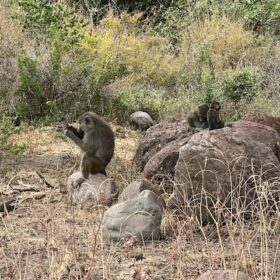
I’d left a bunch of bananas sitting right on the dashboard. Sure enough, a troop of baboons spotted them through the glass. Our windows were cracked open just an inch or two, and within seconds, we had heavy paws thumping onto the hood and sharp eyes watching for the slightest slip-up. It was thrilling, sure, but mostly it showed me just how quickly curious wildlife will close the distance. Tuck the food away and trust your guide.
Staying safe at a tented camp
Our time at Embalakai Tented Camp in the Serengeti ended up being one of our absolute favorite memories from the trip.
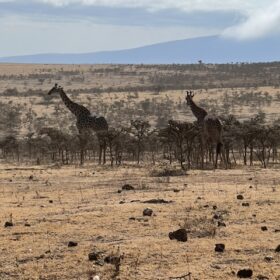
One afternoon, right in the middle of me braiding Anneloes’s hair, we glanced up and saw giraffes casually strolling just outside the canvas. It gave me chills a quick, humbling reminder that wild animals roam entirely unchecked out here.
Once the sun went down, the safety rules kicked in. Wandering between tents alone wasn’t an option. Instead, we’d radio the crew on our walkie-talkie, and a guard would appear with a flashlight to walk us over to dinner. The girls thought this routine was brilliant. Evelijn, who was five with a mop of blonde hair, got the full royal treatment; the Maasai staff took turns carrying her all the way to the dining tent, which made her feel like a queen.
Still, having an escort wasn’t just camp theater. Predators and large herbivores can slip past the tents in the pitch black, so listening to the guides is non-negotiable. This isn’t a zoo where bars keep everyone apart. Respecting the boundaries is what keeps both the animals and the guests alive and well.
Safety in towns and cities
Like anywhere else you travel, crime and petty theft happen in Tanzania. You’ll want your wits about you in dense crowds, especially when you’re hauling luggage between airports, chaotic bus terminals, local markets, or popular tourist spots.
A few street-smart habits make all the difference: tuck valuables out of view, and don’t walk around with a thick wad of shillings in your pocket. Stick to rides booked through reputable companies rather than jumping in with strangers offering lifts on the street. Once you check in, have a quick chat with the front desk staff; they know the neighborhood best and can tell you how to get around safely once the sun goes down.
Right now, the Dutch government advises keeping your guard up regarding specific security risks across the country. Down south, the border area with Mozambique in the Mtwara region carries a stricter, far more serious warning than elsewhere. Things shift on the ground, so never assume safety conditions stay identical year after year. Pull up the Netherlands Worldwide Tanzania travel advice right before you pack your bags to get the most accurate picture.
6. What About Food and Drinking Water?
Sampling street food and regional dishes is usually the highlight of my trips, but getting sick miles from home ruins everything fast. Keeping your stomach happy starts with the water. Stick to sealed bottles always listen for that little plastic crack when you twist the cap or properly filtered water, and skip tap water completely unless you know for sure it’s safe.
Clean hands make a massive difference too, so scrub up with soap before sitting down, especially if you’ve been trekking outside all afternoon. When picking a place to eat, look for meals that are piping hot and cooked thoroughly right in front of you. If you spot trays of food sitting out under the baking sun, walk on by.
We planned for familiar food (although McDonald’s was still missing!)
Feeding kids on the road is always a bit of a gamble. Some take to exotic menus right away, while others just want what they know from home. Our girls fell squarely into the second camp during our safari.
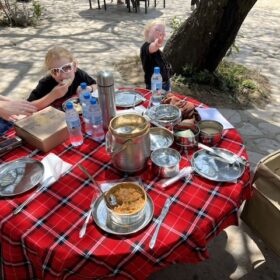
Luckily, Valance had our backs. He packed us daily picnic lunches usually centered around roast chicken, rice, and fresh vegetables. Since five-year-old Evelijn could be notoriously fussy, he made sure to stash extra bread rolls and sweet pancakes just for her. It was such a kind, thoughtful gesture, and honestly, it saved us from a few mid-afternoon meltdowns.
That didn’t stop the girls from asking if we could swing through a McDonald’s drive-thru, though. They were genuinely crushed to hear that the golden arches hadn’t made their way to the middle of the bush. My partner and I couldn’t help but laugh here we were, biting into warm chicken under an acacia tree with acacia thorns brushing the wind, completely in awe. What could top eating lunch in the wild like that?
A box of chicken nuggets and salty fries, apparently.
Funny enough, hot rice and seasoned chicken just taste better when eaten off a tailgate in the dust. The kids took some convincing, but having familiar backups gave them the confidence to slowly try new bites over the week.
If you’re heading out with selective eaters, give your guide or safari company a heads-up well before you fly out. A little planning goes a long way toward stress-free meals. And if your kids are already daydreaming about fast food, you might want to gently explain what the African wilderness actually looks like before you board the plane.
You can read more about how we handled the adventure in our Tanzania itinerary.
7. What Should You Pack for Tanzania?
Packing for Tanzania isn’t quite like getting ready for a standard week at the beach, especially if you’re pairing dusty game drives with Zanzibar’s coast.
Out in the bush, comfort rules. You’ll want good sun protection, serious bug spray, and plenty of light layers. Mornings on the savanna can feel surprisingly brisk especially at higher elevations before the afternoon heat kicks in, so peeling off jackets as the day warms up is key.
Once you hit Zanzibar, toss in your favorite swimsuits and breezy beach gear. Just save room for a few modest outfits that cover your shoulders and knees; you’ll need them when stepping away from the sand to wander through local towns and villages.
Safari packing essentials
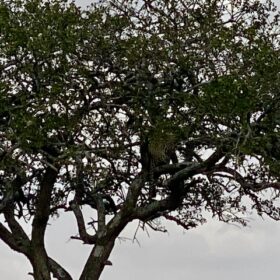
I always tell people to keep it simple: pack light, breathable clothes, but toss in a fleece or warm jacket for those biting dawn game drives and chilly nights around the fire. Good closed shoes are non-negotiable for kicking through dusty brush, as are a wide-brim hat, sunglasses, and high-SPF sunscreen to fend off the midday glare. Don’t skip the bug spray either. If you own binoculars, bring them spotting a leopard tucked away in an acacia tree makes the extra luggage weight entirely forgivable. Finally, grab your camera gear, plenty of spare chargers, your personal meds, and a basic little first-aid pouch just in case.
Zanzibar packing essentials
Pack a couple of swimsuits and your favorite beachwear, but lean hard into lightweight, breathable fabrics that won’t stick to your skin when the midday heat kicks in. You’ll want some sturdy, comfortable sandals for kicking around the sand, a roomy beach bag to haul your gear, and serious sun protection the equatorial rays don’t mess around here. Just remember that Zanzibar is largely conservative off the sand. Keep a few airy pieces that cover your shoulders and knees handy for wandering through towns or stepping into local religious sites.
Travelling with children
Trust me, you don’t need to haul the entire playroom across the globe. A few familiar snacks, something to kill the time on long transit stretches, and a favorite comfort toy will save your sanity every time. I always tell parents to pause before packing: consider what you’re actually doing each day, check what your lodges already provide, and stick to what everyone genuinely uses. Shifting between dusty safari camps and coastal beach resorts gets chaotic fast if your gear is a mess, so staying organized is half the battle. I swear by our three-piece compression storage bags for squeezing down outfits and keeping things tidy inside your bags. If you want my full breakdown, keep an eye out for our What to Pack for an African Safari guide.
8. Getting Around Tanzania: Safari Transport and Flights to Zanzibar
Tanzania is massive, and those neat little lines on the map lie to you. A stretch that looks like a quick two-hour hop can easily swallow half your day once you factor in bone-rattling washboard dirt tracks and slow-moving trucks. Believe me, you don’t want to spend your whole trip staring through a dusty windshield. Factor those rough roads and real distances into your plan early, and resist the urge to cram every single park into one tight week. Give yourself room to breathe.
Getting around on safari
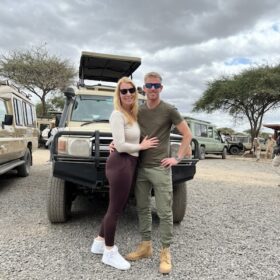
We ended up booking a private trip through African Big Cats Safaris, and I’m so glad we did.
Having our own 4×4 and guide meant the clock was entirely ours. Whenever we spotted something say, a pair of lionesses dozing in the shade we could cut the engine, sit in the quiet, and just watch them for as long as we wanted. More importantly, when the girls got hot and cranky, we simply took a breather. Our guide kept up a steady chatter on the radio with other drivers across the parks, too, steering us straight toward fresh animal sightings before the crowds showed up.
Fair warning, though: the tracks out there are wildly bumpy, and getting from one park gate to the next eats up serious hours. If you’re traveling with little ones, ring up your tour company beforehand to walk through the actual drive times, bathroom breaks, and daily pace.
Trying to pick between a solo booking and a shared group tour? It mostly boils down to your budget, how old the kids are, and your patience for someone else’s timeline. Having that Land Cruiser to ourselves wasn’t the cheapest route, but not having to force our kids onto twenty strangers’ schedules made every single mile easier.
Travelling from mainland Tanzania to Zanzibar
After days of dusty, pre-dawn game drives, all we wanted was to kick off our boots and collapse on a beach, so tagging a week in Zanzibar onto the end of our safari felt like the right call.
Catching a hopper flight over to the island is usually the easiest route, but a lot depends on where your bush camp is and what schedules line up. Before you lock anything in, double-check where your plane actually takes off from and the exact departure hour. You’ll also need to figure out the drive time from your final lodge to the strip, and keep a sharp eye on those tiny luggage limits for bush planes they don’t mess around with weight.
Are you trying to catch your long-haul flight home that same afternoon? Think twice about tight connections, because domestic delays happen all the time, and sprinting through an airport in sweat-soaked safari gear will ruin the holiday mood fast. Give yourself a proper buffer. Don’t forget to look over your insurance policies, transit rules, and island entry requirements beforehand, too. If you’re curious about how we mapped out the whole journey, our Tanzania itinerary: 14 days of safari and Zanzibar with kids breaks down the route step by step.
9. What Is the Best Time to Visit Tanzania?
Timing a trip to Tanzania really comes down to your personal wish list.
Are you going purely for the wildlife? Hoping to tack on lazy days on Zanzibar’s white sands? Or juggling school calendars, tight budgets, and younger kids? Weather shifts dramatically across the country, too. The bush in the northern parks can feel completely different from the sticky heat along the coast, and heavy rain can quickly turn dirt tracks into thick mud, slowing down your game drives.
Before you lock in flights, sit down and figure out:
– Which specific parks you actually want to see.
– If there’s a particular animal event on your bucket list.
– What kind of climate you can handle for both game drives and beach time.
– School break dates and seasonal airfare spikes.
– Camp availability versus what you want to spend.
We visited in July 2022, spending dusty days on safari before heading straight to Zanzibar for a week by the water. For us, that order was perfect dust and early mornings first, ocean breezes and rest second.
Still, our sweet spot might not be yours. Don’t rely on a broad forecast for the whole country; look into the microclimates of the exact spots on your itinerary.
Take a look at our Best Time to Visit Tanzania for a Safari guide for a full breakdown of the seasons.
10. How Much Money Should You Budget for Tanzania?
Tanzania can be as cheap or as pricey as you make it, but the safari portion will almost always eat up the lion’s share of your cash. That holds double if you want your own private jeep and dream of sleeping in lodges or tented camps right by the wildlife.
A handful of things will swing your final bill:
– How many days you spend out in the bush
– Which specific parks you pick
– Going private versus joining a group tour
– The style and location of your rooms
– Park conservation fees and extra permits
– Domestic bush flights and road transfers
– The flavor of resort you book on Zanzibar
– Food, drinks, tips, and add-on tours
– The season you show up in
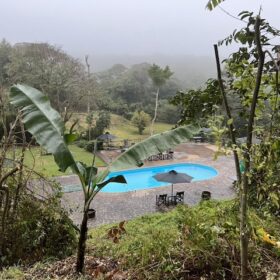
We split our time straight down the middle: one week bumping along dirt roads on safari, and one week kicking back on Zanzibar. By day seven of dawn game drives and jaw-rattling tracks, flopping down by the pool at Diamonds Mapenzi Beach Resort with the salty breeze off the Indian Ocean was pure heaven.
Keeping an eye on the bottom line comes down to trade-offs. Maybe you splurge on a private guide and cut back on luxury pillows at night, or shave two days off the bush to afford a beachfront villa. Just make sure to read safari quotes with a magnifying glass. Two itineraries can look identical on paper until you spot that one leaves out park fees, packed lunches, or airport pick-ups. Every family travels differently, so weigh the full picture before paying a deposit.
Pop over to our How Much Does a Tanzania Safari Cost? guide if you want to see the exact numbers line by line.
11. Travelling to Tanzania with Children: Is It Worth It?
Would we do it again? In a heartbeat.
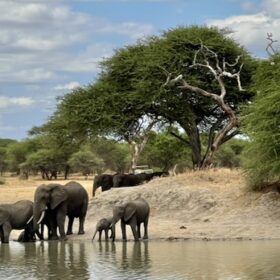
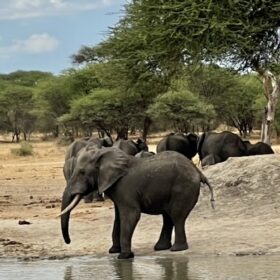
Taking our daughters across Tanzania pulled us right out of our normal routine and dropped us somewhere completely wild. We tracked elephants through the dust in Tarangire, fell asleep to strange night calls in a Serengeti tented camp, and stared out over the vast, grassy bowl of Ngorongoro.
Some memories stick with you because they’re profound. Others stick because they make you laugh. While my husband and I were craning our necks, completely mesmerized by a herd of elephants, Anneloes decided she’d seen plenty and went right back to watching YouTube. Sitting in the African bush, surrounded by giant wild animals, and our kid just wanted her screen. That’s family travel in a nutshell. Everyone experiences the trip in their own way, and that’s fine.
Booking a private safari saved our sanity. Our guide got it immediately he knew when the girls were fading, when they needed snacks, or when they just couldn’t sit still for another minute. We set our own rhythm.
Splitting the holiday in two was another smart move: seven days of bumpy game drives, followed by seven days unwinding on the beaches of Zanzibar. Safari life is intense. The 5:00 AM wake-up calls and rough dirt tracks take a toll, so having that second week by the ocean stopped the whole trip from feeling like an endurance test.
If you’re thinking about taking your own kids, be honest about how they handle early alarms and hours cooped up in a 4×4. Don’t cram the schedule full. Skipping a park or two gives everyone room to breathe, and honestly, slowing down always makes the journey sweeter.
Want to hear more about how we managed it all? Head over to Safari with Kids: Is Tanzania a Family-Friendly Destination?.
12. Your Tanzania Travel Checklist
Before you zip up your bags, run through this quick list to make sure you haven’t forgotten any of the big stuff.
Double-check your passport has six months of validity left and grab your yellow fever card immigration officials often ask for it right off the plane. Get your Tanzania eVisa squared away early so you can skip the sweaty arrival queues. Pack plenty of crisp US dollar bills printed after 2006; older notes get rejected everywhere. Make sure you’ve picked up your malaria pills, stuffed a high-DEET bug spray into your daypack, and sorted out solid travel insurance that covers bush evacuations. Toss in a universal UK-style plug adapter, your camera gear with extra memory cards, and a sturdy pair of broken-in walking shoes. Once those are squared away, you’re set.
Documents and entry requirements
Before anything else, I dig out everyone’s passports to check the expiration dates kids included. You’ll want to sort out your visas well ahead of time, too. Are you traveling with little ones? Look up whether border control asks for extra paperwork, like birth certificates or consent letters, just so you aren’t caught off guard. I always double-check the latest rules for our exact flight path, purchase the required inbound health insurance for wherever we touch down first, and tuck printed backups of every document right into my carry-on.
Health and insurance
Give yourself plenty of time to sit down with a travel clinic doctor before you fly out. I always pull up my exact route to see what vaccines they recommend, and you’ll want to ask point-blank about malaria pills if you’re heading off the beaten track. Make sure you pack all your daily prescriptions alongside a small pouch of basic first-aid supplies blister pads and stomach meds can be real lifesavers. While you’re at it, read the fine print on your travel insurance policy so you know it actually covers whatever wild adventures you have planned, then plug local emergency numbers straight into your phone.
Money and bookings
Before you zip up your bags, figure out how you’re actually paying for your rooms, rides, and activities. I always make sure I have a way to pull out cash and double-check what my bank charges for international card fees those little foreign transaction hits add up fast. Take ten minutes to confirm your safari and lodge reservations, along with your pickup transfers and departure times, so you aren’t left waiting on a curb. Don’t forget to look up the baggage limits for any domestic bush flights; those tiny planes have strict weight caps, and they will weigh your duffel. Lastly, shoot a quick message to your safari operator to ask about their tipping customs so you know how much cash to keep handy.
Packing and safety
I always toss double the bug spray and high-SPF sunscreen into my daypack, because you really feel that midday glare out in the bush. You will also want warm layers for those brisk dawn drives and chilly evenings; trust me, the open-top breeze has real bite. If you have kids in tow, load up on plenty of snacks and small distractions to keep them happy between wildlife sightings. Before you head to the airport, take five minutes to pull up the latest government travel advisories just to be safe. Most importantly, sit down with the little ones before that very first game drive to walk through the basic bush rules staying seated, keeping quiet, and keeping hands inside the vehicle.
Final Thoughts: Preparing for Your Tanzania Adventure
Pulling off a family trip to Tanzania takes real work, but seeing those wild plains and coastlines together makes every logistical headache fade fast.
The trick is nailing down the essentials without over-scheduling every single hour. Get your visas sorted early, talk to a travel clinic about shots and meds, double-check what your insurance actually covers, and pick a pace your kids can handle.
Splitting our time down the middle worked brilliantly for our crew: one week tracking animals across the mainland, followed by seven slow days barefoot on Zanzibar’s white sand. We got the red dust, early morning game drives, and endless savanna, capped off with quiet afternoons listening to the Indian Ocean.
Did everything go strictly according to plan? Not a chance. We had plenty of strange curveballs and laughs including the kids loudly begging for chicken nuggets while surrounded by acacia trees and wild game. Those moments end up being the ones you talk about for years.
Ready to sketch out your own route? Take a look at our Tanzania itinerary: 14 days of safari and Zanzibar with kids to see our exact stays, driving times, and daily rhythm.
If you’re still on the fence about making the leap, start over at our complete Tanzania travel guide to help decide if it fits your family’s travel style.
Need Help Planning Your Family Trip to Tanzania?
Sorting out a family trip to Tanzania can make your head spin, especially if you’re trying to piece together dusty game drives with quiet beach days on Zanzibar.
Which parks make the cut? How many days out in the bush before the kids burn out? Is a private guide the way to go, and which lodges actually welcome children with open arms?
I’d love to take the guesswork off your plate. Tell me your travel dates, your budget, and what your family loves, and we can shape an itinerary that fits you properly. Whether your heart is set on watching herds of elephants kick up red dust in Tarangire, tracking lions across the Serengeti, or kicking back on the warm sands of Zanzibar, good planning saves your sanity.
Want a hand sorting out your own trip? Drop me a message, and let’s put together an adventure your family will talk about for years.
About the Author

Author / Founder of Travel-icious.com
Family travel blogger with 10+ years of experience. Travelling with kids across the globe.