










How Much Does a Tanzania Safari Cost? A Complete Family Budget Guide
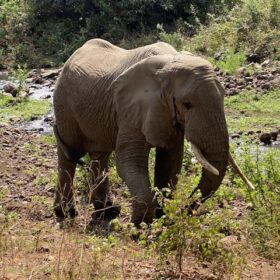
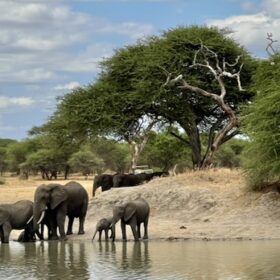
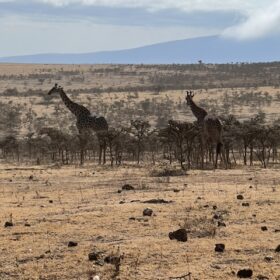
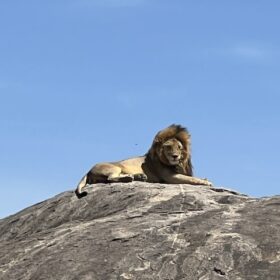
Planning a safari in Tanzania is exciting. You’re picturing elephants crossing the road, lions resting in the grass and giraffes wandering across the savannah. Perhaps you’re even imagining yourself relaxing outside a beautiful, tented camp while the African sun sets.
Then you start looking at prices.
And suddenly, you may find yourself wondering whether those lions are really worth remortgaging the house for.
The truth is that a safari in Tanzania can be expensive, particularly when you’re traveling as a family. But the final price depends on several factors, and understanding them makes it much easier to plan a trip that suits your budget.
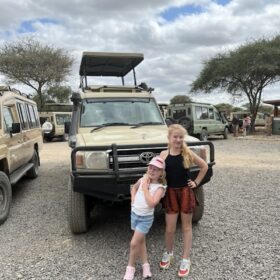
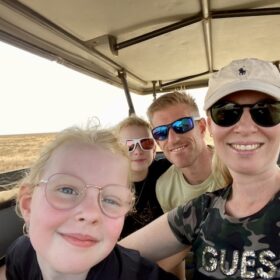
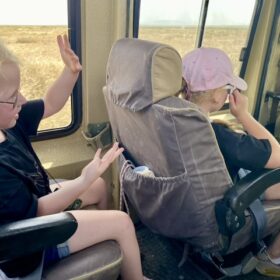
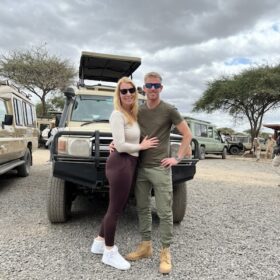
We travelled to Tanzania with our two daughters in July 2022, spending a week on safari before heading to Zanzibar for another week. We stayed at Embalakai Tented Camp in the Serengeti and experienced the kind of adventure that makes a safari such a special family holiday.
In this guide, I’ll explain how much a Tanzania safari costs, what you’re paying for, where you can save money and which expenses you shouldn’t forget when calculating your family budget.
Disclosure: This post may contain affiliate links. If you book or buy through them, I earn a small commission at no extra cost to you. I only recommend things we've actually used and loved. Thank you for supporting Travel-icious!
How Much Does a Tanzania Safari Cost?
As a general planning guide for 2026, expect to pay approximately $180–250 per person per day for a budget group camping safari, $350–500 for a mid-range private safari, and $700–1,500 or more for a luxury safari.
These are indicative price ranges rather than fixed tariffs. Your actual cost depends on the parks you visit, your accommodation, the season, the size of your group and what’s included in the package.
These ranges are intended to help you compare different styles of safari. Some shared group tours may cost less, while exclusive camps and premium itineraries can cost considerably more.
Always check what the quoted price includes. Some packages include accommodation, meals, park fees, transport and game drives, while others may exclude certain charges or activities. International flights, visas, tips and personal expenses are commonly separate.
For a fair comparison, look at the total price for the complete itinerary rather than the advertised daily rate alone.
What Does a Seven-Day Safari Cost?
A seven-day safari gives you time to explore several wildlife areas without changing accommodation every day.
Based on the indicative daily rates above, these are broad estimates for the safari portion of your holiday.
Important: The family figures simply multiply the per-person estimates by four. They are not personalized family quotes. Children may qualify for reduced park fees, and accommodation, vehicles and other expenses may be priced differently for families. Your actual total could therefore be lower or higher.
These figures also exclude any expenses that aren’t covered by the safari package, such as international flights, visas, travel insurance and personal spending.
Check whether a seven-day itinerary includes seven full days of game drives or seven nights with fewer safari days. That distinction matters when comparing quotes.
For a family of four, the total can look daunting. However, you don’t necessarily need a luxury safari to experience Tanzania’s incredible wildlife. A well-planned mid-range itinerary can offer comfortable accommodation, a knowledgeable guide and memorable game drives without paying for the most expensive camps.
What Determines the Cost of a Tanzania Safari?
Why can two safaris covering similar parks have such different prices?
The biggest factors are accommodation, park fees, transport, the time of year and how your safari is organized.
1. Accommodation
Where you sleep can make a significant difference to the overall price.
Tanzania offers everything from basic campsites to comfortable lodges and luxurious tented camps in spectacular locations.
Budget accommodation
Budget safaris often use public campsites or relatively simple accommodation. Facilities may be shared, and the experience is generally more basic.
This can be a good option if your priority is seeing wildlife rather than staying in a beautiful lodge. However, check exactly what is provided, especially when traveling with children.
Mid-range lodges and tented camps
Mid-range accommodation offers a balance between comfort and cost. You may have a proper bed, a private bathroom, meals and a comfortable place to relax between game drives.
We stayed at Embalakai Tented Camp in the Serengeti. The tented-camp experience was a memorable part of our trip and a reminder that accommodation can be part of the adventure itself.
Don’t assume every tented camp is basic. Some are surprisingly comfortable, while others are deliberately more rustic. Compare the facilities and location rather than relying on the label alone.
Luxury accommodation
Luxury camps and lodges can offer beautifully designed rooms, exceptional service, impressive dining and locations close to excellent wildlife-viewing areas.
Some also provide additional experiences or more personalized service. Prices can rise considerably for properties in particularly sought-after locations or during peak travel periods.
When comparing accommodation, consider more than the room rate. A camp that includes meals, game drives and transfers may offer better overall value than a cheaper room that requires you to pay for several extras.
2. National Park Fees
Park fees are a substantial part of the cost of a Tanzania safari.
These charges contribute to the management of protected areas and mean that visiting several parks can become expensive, even before you’ve paid for your vehicle or accommodation.
Fees depend on the park, the season, the visitor’s age and residency status, and the applicable tariff at the time of travel.
For example, the Serengeti has relatively high entry fees compared with many other destinations. Visiting the Ngorongoro Conservation Area can involve additional charges, including a crater service fee when descending into the crater.
The important thing to remember is that park fees are not necessarily included in every advertised safari price.
When you request a quote, ask the operator to confirm:
- Which park entry fees are included.
- Whether fees apply per person or per vehicle.
- Whether concession or camping fees are included.
- Whether the Ngorongoro Crater service fee is included if your itinerary visits the crater.
- Whether any additional conservation or local charges apply.
Park tariffs can change, so ask for a current, itemized quotation for your travel dates rather than relying on an old online price list.
You can check the official information from Tanzania National Parks (TANAPA) and ask your operator to confirm the applicable fees for the Ngorongoro Conservation Area.
3. Your Safari Vehicle and Guide
Most guided safaris use a 4×4 safari vehicle with a driver-guide.
This is one of the main reasons the cost per person can vary depending on the size of your group.
If you’re traveling as a couple, you may be sharing the vehicle costs between just two people. A family of four can spread those costs across more travellers, although your operator may charge different rates for children.
A shared group safari can reduce the cost further because the vehicle and guide expenses are divided among several travellers.
However, shared safaris may offer less flexibility. You’ll generally need to follow the group’s schedule and accommodate other passengers’ preferences.
A private safari gives your family more control over the pace of the day. That can be particularly useful when traveling with children, especially if you need flexibility around meals, rest stops and driving times.
Before booking, ask whether your safari is private or shared and how many passengers will be in the vehicle.
4. The Time of Year
The season you choose can affect both accommodation prices and the overall cost of your trip.
During popular travel periods, demand for sought-after camps and lodges increases. Prices may rise, and accommodation in particularly desirable locations can sell out well in advance.
Traveling during a quieter period may offer better rates, although weather, road conditions and wildlife patterns also need to be considered.
The cheapest month is not automatically the best month for your family. Think about what you want to experience, which parks you plan to visit and how flexible you are with your travel dates.
For a more detailed breakdown of the seasons, read Best Time to Visit Tanzania for a Safari.
5. The Parks You Visit
Your itinerary affects the price, too.
Visiting several parks can mean additional entry fees, more driving and extra accommodation nights. Some routes are straightforward, while others involve long transfers or internal flights.
The Serengeti and Ngorongoro area are popular choices for first-time visitors, but you don’t have to visit every famous park to have a fantastic safari.
Choose the parks that best match your interests and available time. A carefully planned route with enough time for game drives can be more enjoyable than an itinerary that tries to squeeze in everything.
Our Our Complete Tanzania Itinerary (10–14 Days) can help you understand how a safari fits into a longer trip.
What Other Expenses Should You Budget For?
The safari package is only one part of your overall holiday budget.
Depending on your arrangements, you may need to budget separately for the following expenses.
International Flights
Flights to Tanzania can represent a significant cost, especially for a family.
Your options will depend on your departure airport, destination airport, travel dates, airline and baggage requirements.
Compare flights to the airport that makes the most sense for your safari itinerary. Kilimanjaro International Airport is commonly used for northern-circuit safaris, although other routes may be more suitable for different itineraries.
If you’re also visiting Zanzibar, consider how you’ll travel between the mainland and the island when calculating the total cost.
Visa Fees
Check the current entry requirements for every member of your family before traveling.
Visa requirements and fees depend on nationality and the type of visit. Use official government information to establish what applies to your family rather than relying on an old travel blog.
You can find more practical information in Travel Tips for Tanzania: Visa, Money, Vaccinations & Safety.
Travel Insurance
Travel insurance is an important part of planning a safari, particularly when your itinerary includes remote areas or activities that may require additional cover.
Check the policy carefully. Medical expenses, emergency evacuation, cancellation, baggage and planned activities may be treated differently depending on the policy.
Also verify any current local insurance or entry requirements that apply to your trip, as these can change.
Don’t choose a policy based on price alone. Make sure it provides the cover you actually need.
Vaccinations and Health Preparation
You may need to budget for a travel-health consultation, recommended vaccinations or malaria-prevention medication.
The advice depends on your itinerary, previous vaccinations, medical circumstances and current recommendations.
Arrange professional advice well before departure so you have time to plan and obtain any recommended medication.
Tips for Your Guide and Camp Staff
Tipping is customary in many safari settings, but the amounts and expectations can vary.
Your operator may provide suggested tipping guidelines for driver-guides, camp staff and other service providers.
Ask for those guidelines before you travel so you can include tipping in your budget. Remember that tips are often separate from the package price.
Drinks, Snacks and Personal Expenses
Some safari packages include all meals, while others exclude certain drinks or extras.
Check whether bottled water, soft drinks, alcoholic drinks, laundry and other services are included.
You may also want to budget for souvenirs, optional activities and small personal purchases.
These expenses may seem minor compared with the safari itself, but they can add up over a longer trip.
Is a Private Safari More Expensive Than a Group Safari?
Generally, a private safari costs more per person than a shared group safari, although the difference depends on the group size and the package.
Shared Group Safari
On a group safari, several travelers share the vehicle and guide.
Advantages:
- The cost of the vehicle and guide is shared.
- It can be a more affordable way to visit Tanzania’s national parks.
- You may meet other travelers along the way.
Disadvantages:
- You have less control over the schedule.
- The vehicle is shared with people outside your family.
- The pace may not suit every child’s needs.
Private Family Safari
With a private safari, the vehicle and guide are dedicated to your group.
Advantages:
- More flexibility around the daily schedule.
- More freedom to spend time at wildlife sightings.
- Easier to discuss meal stops and family preferences.
- A more personal experience.
Disadvantages:
- Your group bears the cost of the private vehicle and guide.
- The price per person may be higher, particularly for smaller groups.
For families, a private safari can be worth considering because flexibility matters. However, it is not automatically the best option for everyone.
If your children are comfortable following a set schedule and your budget is tight, a suitable group safari may be a perfectly good alternative.
Compare the actual itineraries and inclusions before deciding.
How Can You Save Money on a Tanzania Safari?
A safari is rarely a budget holiday, but there are ways to make the costs more manageable without losing the experience that makes it special.
1. Travel Outside the Busiest Periods
If your dates are flexible, compare prices across different seasons.
Accommodation and safari packages may be more affordable during quieter periods, although the weather and wildlife experience can differ.
Use Best Time to Visit Tanzania for a Safari to weigh up the trade-offs.
2. Choose Your Parks Carefully
More parks do not necessarily mean a better safari.
Every additional stop can involve extra fees, transport and accommodation. Concentrating on a smaller number of destinations may help you control the budget while still enjoying excellent wildlife viewing.
3. Compare Mid-Range Accommodation
You don’t have to book the most expensive lodge to enjoy a memorable safari.
Look for comfortable accommodation with good reviews, a suitable location and the facilities your family needs.
A well-located mid-range tented camp may be a better fit than a luxury property that pushes your budget too far.
4. Consider Sharing a Safari
If you are comfortable traveling with other people, a group safari may reduce your costs.
Check the group size, vehicle arrangements, accommodation standards and itinerary before booking. A lower price is only good value if the experience suits your family.
5. Compare Complete Packages
Request itemized quotations from several reputable operators.
Check whether each package includes the same parks, accommodation level, number of game drives, meals, park fees and transfers.
A cheaper quote may exclude expenses that another operator has already included.
6. Plan Your Route Efficiently
Long transfers take time and can increase costs.
Choose an itinerary that makes sense geographically and ask whether any internal flights are necessary or simply an optional convenience.
For families, a sensible route can also mean less time in the vehicle and more time enjoying the destinations.
7. Avoid Paying for Extras You Don’t Need
Some packages include activities or accommodation upgrades that may not be priorities for your family.
Decide what matters most before booking. Perhaps you’d rather spend more on a great location in the Serengeti than on luxury accommodation at every stop.
There is no single right way to plan a safari. The best itinerary is the one that fits your interests and budget.
Is a Tanzania Safari Worth the Money?
For us, the answer was yes.
Our family safari was part of a two-week trip that also included Zanzibar. Spending a week exploring Tanzania’s wildlife areas and then moving to the beach gave us two very different experiences in one holiday.
We stayed at Embalakai Tented Camp, Click here in the Serengeti, experienced game drives and had a guide, Valance, who helped make the trip memorable.
Of course, a safari is a substantial expense, particularly when you’re paying for four people. It is worth being realistic about what you can afford before booking.
But remember that the most expensive safari is not necessarily the best one for your family.
A good guide, a sensible itinerary and accommodation that meets your needs can make a huge difference. You don’t need to choose the most luxurious camp in Tanzania to experience its wildlife.
Think about what matters most to you, compare options carefully and build your trip around those priorities.
What About Combining a Safari with Zanzibar?
If you’re traveling all the way to Tanzania, combining a safari with time on Zanzibar can be a wonderful way to experience both wildlife and the beach.
That’s what we did. After a week on safari, we spent another week on Zanzibar.
However, adding an island stay increases the overall holiday budget. You’ll need to account for accommodation, meals, transport between destinations and any excursions you plan to book.
The cost will depend on your preferred accommodation, how you travel between the mainland and Zanzibar, and how much you want to do while you’re there.
If you want to combine the two, plan the trip as one complete holiday rather than budgeting for the safari in isolation. That makes it easier to understand the total cost and decide where to spend more or less.
Start with Our Complete Tanzania Itinerary (10–14 Days) to see how the different parts of the trip can fit together.
Tanzania Safari Budget Checklist
Before you confirm your booking, use this checklist to make sure you have considered the main expenses.
The most important step is to request a detailed quote and confirm what is included in writing.
Frequently Asked Questions About Tanzania Safari Costs
How much does a Tanzania safari cost per person?
As a rough 2026 planning guide, organized safaris may cost around $180–250 per person per day for a budget group camping safari, $350–500 for a mid-range private safari and $700 or more for luxury experiences. Prices vary depending on the season, route, accommodation, group size and package inclusions.
How much does a seven-day Tanzania safari cost for a family of four?
Using the indicative daily ranges in this guide, a simple calculation gives approximately $5,040–7,000 for a family of four on a budget group camping safari, $9,800–14,000 for a mid-range private safari and $19,600–42,000 or more for a luxury safari.
These are broad estimates based on multiplying per-person prices by four. They are not personalized quotes and may not reflect reduced child park fees, family room rates or other family-specific pricing. International flights and other excluded expenses may also increase the total.
Why are Tanzania safaris so expensive?
The cost includes several significant expenses, including park fees, safari vehicles, fuel, professional guides, accommodation and meals. Prices can rise further during busy travel periods or when you choose premium camps and internal flights.
Is a budget safari in Tanzania worth it?
It can be, particularly if you prioritize wildlife and are comfortable with simpler accommodation. Check the itinerary, campsite facilities, group size and inclusions carefully before booking.
Is a private safari worth the extra cost for families?
A private safari can offer more flexibility around driving times, breaks and your children’s needs. Whether it is worth the extra expense depends on your budget and how much flexibility you want.
Are national park fees included in Tanzania safari prices?
Sometimes, but not always. Ask your operator to confirm which entry fees, concession fees and other charges are included. Request a breakdown for every park on your itinerary.
Is it cheaper to visit Tanzania during the rainy season?
It can be, depending on the destination, accommodation and dates. Some properties offer lower rates during quieter periods, but weather and wildlife conditions may differ. Compare the overall experience as well as the price before deciding.
How much should you budget for tips on a Tanzania safari?
Tipping expectations vary depending on the operator, the services provided and the length of your safari. Ask your operator for current guidelines and include an allowance in your budget rather than treating tips as an unexpected expense.
Can you combine a Tanzania safari with Zanzibar on a budget?
Yes, but the total cost will be higher than the safari alone. You will need to budget for transport between destinations, accommodation on Zanzibar, meals and any activities. Choosing comfortable but reasonably priced accommodation and limiting optional extras can help manage the total.
When should you book a Tanzania safari?
If you want to travel during a popular period or stay at a particular camp, booking well in advance gives you more choice. Start comparing options early, especially if you need family rooms or have specific accommodation requirements.
Start Planning Your Tanzania Safari
A Tanzania safari can be one of the most memorable trips you take as a family, but it is worth understanding the costs before you start booking.
The biggest expenses are generally accommodation, park fees, transport and your guide. The season and the way you organize your trip can also make a considerable difference.
Start by deciding what kind of experience you want, then compare complete itineraries and confirm what’s included.
For more planning advice, explore Our Complete Tanzania Itinerary (10–14 Days) and Everything You Need to Know About a Safari in Tanzania.
If you’d prefer help putting together a family itinerary around your dates, budget and interests, take a look at Let Me Plan Your Trip.
Your African adventure deserves a place in the family photo album. Just make sure it also fits your budget.
Read our EVERYTHING YOU WANT TO for more tips and inspiration.
Read our ENJOY BOUNTY ISLAND ZANZIBAR for more tips and inspiration.
About the Author

Author / Founder of Travel-icious.com
Family travel blogger with 10+ years of experience. Travelling with kids across the globe.