











Safari with Kids in Tanzania: Is It Family-Friendly?
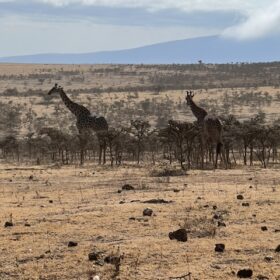
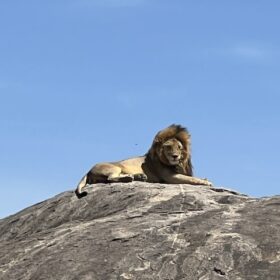
A safari in Tanzania sounds like the kind of adventure your family will remember forever. Elephants crossing the road, giraffes wandering across the savannah and lions resting in the shade while you watch from your safari vehicle. It is the sort of experience that makes everyone forget about their phones for a little while.
Well, almost everyone. More on that later.
But is Tanzania actually a good destination for a family safari? How old should your children be? Is it safe? And will they really enjoy spending hours in a vehicle looking for wildlife?
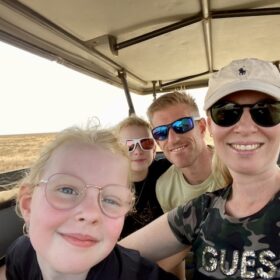
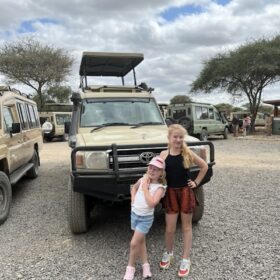
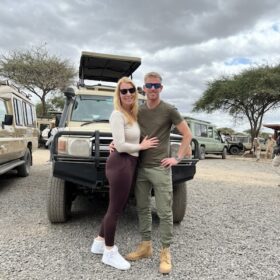
We travelled to Tanzania with our two daughters in July 2022. We spent a week on safari before heading to Zanzibar for a week of beaches and relaxation. During our safari, we visited several of Tanzania’s famous wildlife areas and stayed at Embalakai Tented Camp in the Serengeti.
It was an incredible experience, but traveling on safari with children is a little different from traveling as a couple. You need to think about travel times, food, entertainment, packing and of course keeping everyone happy.
Here’s what families should know before planning a safari in Tanzania with kids.
Disclosure: This post may contain affiliate links. If you book or buy through them, I earn a small commission at no extra cost to you. I only recommend things we've actually used and loved. Thank you for supporting Travel-icious!
Is Tanzania a Good Destination for a Safari with Kids?
Yes, Tanzania can be an amazing destination for a family safari, provided you plan the trip around your children’s ages, interests and energy levels.
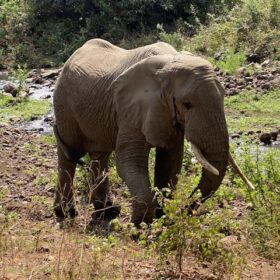
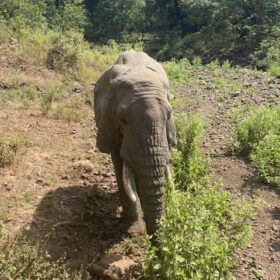
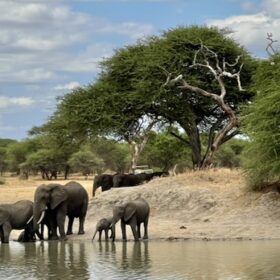
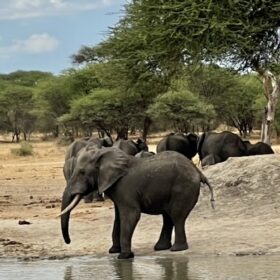
The wildlife is the obvious highlight. Seeing an elephant in a picture is one thing; watching one walk past your vehicle is something else entirely. Children can learn about animals, nature and conservation while experiencing landscapes that look completely different from home.
A safari also gives families plenty of time together. You’re exploring the same places, spotting animals and sharing experiences that are difficult to recreate anywhere else.
However, a safari isn’t quite like a regular family road trip.
You might leave early in the morning, spend several hours in the vehicle and return to your accommodation dusty, tired and ready for a shower. Some drives are full of wildlife sightings, while others involve searching for animals across vast landscapes. There are no guarantees that you’ll see a lion just because the children have been waiting for one all morning.
And then there is the practical side: long journeys, warm afternoons, chilly mornings and sometimes limited food choices for picky eaters.
The good news? With a suitable itinerary, a knowledgeable guide and realistic expectations, these challenges are manageable.
If you’re still deciding how to organize your trip, start with Everything You Need to Know About a Safari in Tanzania. It covers the basics of planning a safari, from choosing an operator to understanding what a typical safari involves.
What Age Is Best for a Safari in Tanzania?
There is no single perfect age for a safari. Much depends on your children’s personalities, how long they can comfortably sit in a vehicle and what kind of experience you want.
Safari with toddlers
A safari with toddlers is possible, but it requires extra planning.
Young children may struggle with long drives, early mornings and the need to remain quiet when watching wildlife. You’ll also need to check whether your chosen accommodation accepts young children and whether any activities have minimum-age requirements.
A private safari can be particularly helpful because you have more flexibility to adjust the schedule. You can take breaks when needed rather than following a group itinerary.
Safari with primary-school children
For many families, primary-school age can be a wonderful time for a first safari.
Children are often curious about animals and enjoy spotting wildlife, learning animal facts and watching documentaries come to life. They may also be old enough to appreciate why a guide asks everyone to stay quiet or remain inside the vehicle.
That doesn’t mean every game drive will hold their attention from beginning to end. Snacks, binoculars, a camera and a few downloaded activities can make a difference.
Safari with teenagers
Teenagers can enjoy a safari just as much as younger children, particularly when they are interested in photography, wildlife or adventure.
They may appreciate the experience differently, too. Learning about conservation, seeing animals in their natural habitat and visiting remote landscapes can make a lasting impression.
Our advice: Don’t choose your safari based on age alone. Think about how your children handle long journeys, unfamiliar food, changes in routine and time away from screens. Those factors can be just as important.
Which Tanzania Safari Parks Are Best for Families?
Tanzania has several outstanding national parks and wildlife areas. You don’t need to visit every one of them to have an unforgettable family safari.
In fact, when traveling with children, choosing fewer destinations and allowing enough time in each place can make the trip much more enjoyable.
Serengeti National Park
The Serengeti is famous for its vast open plains, impressive wildlife and the Great Migration.
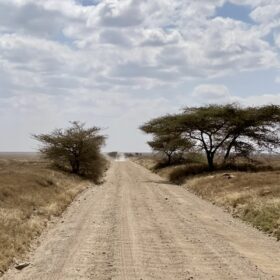
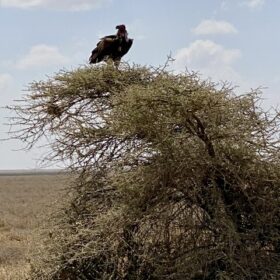
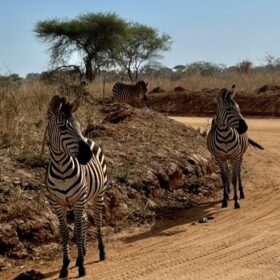
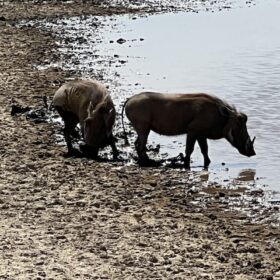
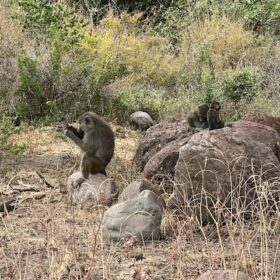
For families, the appeal is easy to understand. The landscape is enormous, and the opportunity to see animals such as elephants, giraffes, zebras, wildebeest and lions makes every game drive feel like an adventure.
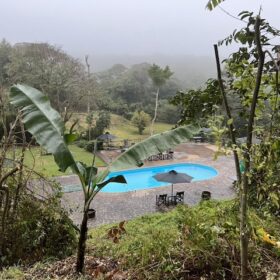
We stayed at Embalakai Tented Camp in the Serengeti. It was a memorable part of our trip and gave us the chance to experience the atmosphere of staying in a tented safari camp.
Remember that wildlife sightings can never be guaranteed. The animals move around, and some days are more eventful than others. That’s part of the experience.
Before choosing your accommodation, check the property’s age policy, room arrangements, meal options and any restrictions on children. Tented camps vary considerably in their facilities and suitability for families.
Read more in Serengeti National Park: Everything You Need to Know Before You Go.
Tarangire National Park
Tarangire is known for its elephants, baobab trees and varied landscapes.
It can be a rewarding addition to a family itinerary, especially if your children are excited about seeing large animals. The scenery is also different from the wide-open plains many people associate with the Serengeti.
How many days you need here depends on your overall itinerary, the time of year and the other parks you plan to visit.
Ngorongoro Conservation Area
The Ngorongoro Crater is another popular stop on a northern Tanzania safari.
Its dramatic landscape and concentration of wildlife make it an impressive place to visit. However, the drive and the day’s schedule should be considered when traveling with younger children.
Check the current entry arrangements, fees and any relevant restrictions before you go.
Lake Manyara National Park
Lake Manyara can offer a different landscape from the Serengeti’s open plains, with woodland, water and a variety of birdlife.
Whether it belongs in your itinerary depends on your available time and the other parks you want to explore. When planning a family safari, it is worth comparing the overall driving time with the wildlife experiences each stop offers.
How many parks should you visit?
It’s tempting to squeeze as many parks as possible into one trip. After all, you’re traveling all that way, so you want to see everything.
But more stops can mean more packing, longer transfers and less time to enjoy each destination.
For families, I would prioritize a manageable route with enough time for game drives and downtime over an itinerary that looks impressive on paper but leaves everyone exhausted.
Our trip combined a week on safari with a week in Zanzibar. If you want to see how a safari and beach holiday can fit together, take a look at Our Complete Tanzania Itinerary (10–14 Days).
Is a Safari in Tanzania Safe for Children?
Safety is naturally one of the first things parents consider when planning a safari.
Tanzania is a well-established safari destination, but it is important to understand that you are visiting wild animals in their natural environment. A safari should never be treated like a zoo visit.
Your guide and accommodation staff will explain the rules that apply to your particular location. Follow their instructions, especially around wildlife.
Stay inside the safari vehicle when instructed
Wild animals can be unpredictable, even when they appear calm.
Remain inside the vehicle unless your guide confirms that it is safe to get out in a designated area. Children should understand that they must not stand up, shout at animals or try to attract their attention.
Listen to your guide
A knowledgeable guide does much more than look for animals. They understand the local environment, know the rules of the parks and can help you make sensible decisions.
We travelled with Valance, who helped make our safari experience memorable. Having someone who knew the area and could answer our questions made the experience much more relaxed.
Choose family-appropriate accommodation
Not every lodge or tented camp is suitable for every age group.
Some properties have minimum-age rules, while others may have specific arrangements for children around swimming pools, walking activities or shared spaces. Ask about these details before booking rather than assuming every safari property works the same way.
Plan for the health risks
Tanzania has health risks that families should prepare for, including mosquito-borne diseases such as malaria.
Before departure, arrange personalized travel-health advice for every family member. A travel clinic can advise on recommended vaccinations, malaria prevention and appropriate mosquito protection based on your itinerary and medical circumstances.
Bring suitable insect repellent, follow the advice you receive and know what to do if anyone develops a fever during or after the trip.
You can check the latest Tanzania travel health advice from GGD Reisvaccinaties and the official Netherlands Worldwide travel advice for Tanzania before you leave.
Health recommendations and entry requirements can change, so don’t rely solely on advice from someone who visited several years ago.
What Is a Typical Day on Safari with Kids Like?
One of the biggest differences between a safari and a regular family holiday is the daily routine.
Depending on your accommodation and itinerary, a day might begin early, with breakfast followed by a morning game drive. You spend time looking for animals, return for lunch or a rest, and head out again later if your schedule allows.
Some days are packed with wildlife sightings. On others, you might spend longer driving between locations or searching for animals.
For children, the key is to keep the experience varied and manageable.
Early mornings can be chilly
We visited Tanzania in July, and the mornings and evenings on safari could be surprisingly cool.
We were glad to have sweaters and fleeces with us. Once the sun was up, things could feel very different, so layers were useful.
This was particularly noticeable when we later moved to Zanzibar, where we didn’t need those warm layers in the same way.
Bring snacks and drinks
Even if meals are included in your safari package, it is sensible to ask your operator how food and drinks are arranged during game drives.
Children can get hungry at inconvenient moments. Having suitable snacks available can help, especially if someone doesn’t like the food being served.
Don’t expect every drive to be action-packed
A safari involves patience. Sometimes you’ll see several animals in a short space of time. Sometimes you’ll drive for a while without spotting much.
Try turning wildlife spotting into a game. Who can spot the first giraffe? How many different birds can you count? Can you recognize an animal before the guide tells you what it is?
You don’t have to turn every moment into an educational activity, of course. Sometimes it’s enough to enjoy the view.
Food on Safari: What If Your Kids Are Picky Eaters?
If your children are adventurous eaters, food may not be a major concern. If they’re selective about what they eat, it’s worth discussing this with your safari operator in advance.
We discovered just how helpful a good guide can be when traveling with children.
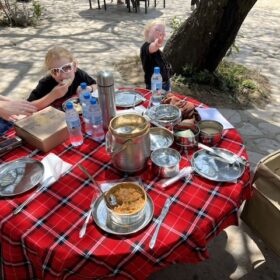
Valance arranged our picnic lunches, which often included chicken, rice and vegetables. Evelijn is a picky eater, so those meals weren’t always the easiest for her. Valance did his best to accommodate her, arranging alternatives such as pancakes, a bread roll and sometimes a waffle.
That small bit of flexibility made a real difference.
It also reminded us that the people organizing your safari can be just as important as the itinerary itself. A guide who understands family travel can help solve little problems before they become big ones.
Before booking, explain any dietary requirements, allergies or strong food preferences. Ask what meals usually include and whether alternatives are possible.
You may also want to bring a few familiar snacks from home, provided they comply with Tanzania’s current customs and import rules.
How Do You Keep Kids Entertained on Safari?
The animals will do much of the entertaining, but it is wise to have a backup plan for longer drives.
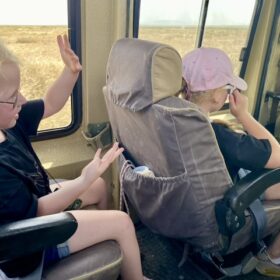
We brought iPads and phones for our daughters. Before the trip, we told them they wouldn’t have internet access for the week. In practice, we also kept screen time limited and saved the iPads for later in the journey, particularly on transfer days.
It helped to have something familiar available without making screens the main activity.
Here are a few other ideas:
- Bring binoculars. Children can use them to look for animals and birds from a safe distance.
- Create a wildlife checklist. Let them tick off animals as they spot them.
- Take a camera. It gives older children a project and helps them pay attention to the details around them.
- Download entertainment in advance. Don’t assume you’ll have reliable internet wherever you stay.
- Plan breaks where possible. Ask your operator what the driving schedule looks like and when stops are permitted.
And most importantly, don’t worry if your children aren’t fascinated by every single animal. Even adults have moments when they need a break from looking for wildlife.
How Much Does a Safari in Tanzania Cost for a Family?
A family safari can be a significant investment. Costs depend on the time of year, the parks you visit, the accommodation you choose, the size of your group and whether your safari is private or shared.
Families should also account for park fees, transport, accommodation, meals, international flights, travel insurance and any extra activities.
A private safari may cost more than joining a group, but it can offer greater flexibility around your children’s needs and daily routine. A group safari may be more affordable, although you’ll generally have less control over the schedule.
Don’t compare safari prices on the total alone. Check what is included, which park fees apply, whether drinks and meals are covered, and whether transfers or activities come at an additional cost.
For a more detailed breakdown, read How Much Does a Tanzania Safari Cost?. It will help you understand the main expenses before you start requesting quotes.
My biggest recommendation is to compare complete itineraries rather than choosing the cheapest headline price. A well-organized safari with a sensible route can be better value than a cheaper option that involves long transfers or unexpected extras.
How to Choose a Family-Friendly Safari Operator
Your safari operator can have a big influence on how enjoyable the trip is for everyone.
When comparing operators, ask questions that relate specifically to traveling with children.
Questions worth asking before you book:
- Is the safari private or shared?
- How long are the drives on each day?
- Can the schedule be adjusted if the children become tired?
- Are there minimum-age requirements for the accommodation and activities?
- What meals are included, and can dietary preferences be accommodated?
- Is there enough space for everyone and their luggage?
- What happens if a child becomes unwell during the trip?
- Which Park fees, transfers and activities are included in the price?
Read recent reviews from other families but look beyond the overall rating. Pay attention to comments about guides, communication, driving times, food and how the operator handles unexpected situations.
You should also make sure you understand the cancellation policy and what your travel insurance covers.
What Should You Pack for a Safari with Kids?
Packing for a safari requires a little more thought than packing for a beach holiday. You need practical clothing, protection from the sun and insects, and a few comforts for the children.
The most useful items include:
- Lightweight clothing that is comfortable in warm weather.
- Sweaters or fleeces for cool mornings and evenings.
- Comfortable closed-toe shoes.
- Sun hats and sunglasses.
- Sunscreen and suitable insect repellent.
- Personal medication and any health supplies recommended by your travel clinic.
- Reusable water bottles, if appropriate for your safari arrangements.
- Binoculars or a camera.
- Snacks that meet your family’s needs and comply with local rules.
- Downloaded games, books or movies for longer journeys.
Our packing cubes helped us keep our luggage organized. We also separated the things we needed for the safari from the items we would use later in Zanzibar. That made it easier to find what we needed without unpacking everything at every stop.
If you’re planning a similar trip, our What to Pack for an African Safari guide will help you prepare. You can also browse the Travelicious packing lists in the shop, Click here for more help organizing your family’s luggage.
One final tip: check the luggage limits if your itinerary includes small aircraft. These restrictions can be different from those on international flights.
Buying Souvenirs in Tanzania: Our €350 Mask
One of our favourite souvenirs from Tanzania is a beautiful mask we bought somewhere along the way during our safari.
The seller told us it was handmade and would keep evil spirits away. Whether that was true or simply a very effective sales pitch, we thought it was a lovely keepsake.
The original asking price? €350.
We eventually paid €50.
We were pretty pleased with ourselves at the time, although I suspect we may still have paid too much! Looking back, I think the initial price was probably set very high to leave plenty of room for negotiation.
Valance didn’t get involved in the bargaining. He simply told us that we should negotiate. When we eventually bought the mask for €50, he was surprised by how much we had managed to bring the price down.
It was a fun little experience and one we still remember from our trip.
If you want to buy souvenirs, be prepared to negotiate politely where bargaining is customary. Decide what you’re comfortable paying, keep the conversation friendly and remember that a large reduction from the original price doesn’t automatically mean you’ve found a bargain.
Also, be careful about what you bring home. Avoid souvenirs made from protected wildlife or other restricted materials and check the current customs rules before buying anything that might cause problems at the border.
Our mask came home with us, along with a story that is probably worth more to us than the €50 we paid for it.
Should You Combine a Safari with Zanzibar?
If you have enough time, combining a safari with a beach holiday can be a fantastic option for families.
That’s exactly what we did. We spent a week on safari and then headed to Zanzibar for a week.
After early mornings, game drives and days spent exploring the national parks, the beach offered a completely different pace. There was time to relax, enjoy the sea and recover from all the travel.
The contrast was one of the things we loved most about the trip. We didn’t have to choose between a wildlife adventure and a tropical island holiday because we could enjoy both.
Of course, adding Zanzibar increases the budget and requires some extra planning. You’ll need to consider how you travel between destinations, how much time you have and whether the extra transfer is worthwhile for your family.
If this combination appeals to you, read Safari + Zanzibar: Why This Is the Ultimate African Family Vacation and Zanzibar with Kids: Our Family Holiday on a Tropical Island.
You can also explore Zanzibar: The Ultimate Family Travel Guide for more ideas on planning the beach portion of your trip.
Practical Tips for Planning a Safari with Kids in Tanzania
Before you book, keep these family-specific considerations in mind.
1. Allow enough time.
Don’t try to squeeze too many parks into a short trip. Longer transfers and frequent accommodation changes can become tiring for children and adults alike.
2. Choose accommodation carefully.
Check age restrictions, room configurations, meal options and safety arrangements before confirming a booking.
3. Discuss food in advance.
Tell your operator about allergies, dietary requirements and picky eaters. Ask what alternatives may be available.
4. Prepare for different temperatures.
Mornings and evenings can be cool, even when afternoons are warm. Layers are more practical than relying on one thick jacket.
5. Make health preparation a priority.
Arrange personalized travel-health advice well before departure. Check vaccination recommendations, malaria prevention and suitable insect protection for every family member.
6. Check current entry requirements.
Review visa requirements, passport validity, travel insurance rules and the latest official travel advice. Requirements can change, so verify them close to departure.
7. Bring some entertainment.
Wildlife spotting is exciting, but children may appreciate snacks, games, binoculars and downloaded movies during longer drives.
8. Leave room for flexibility.
Children get tired, plans change and not every day will go exactly as expected. A little breathing room can make the holiday much more enjoyable.
9. Keep your expectations realistic.
You may see incredible wildlife, but no operator can guarantee every sighting. Enjoy the landscapes, the smaller details and the experience of being somewhere new.
10. Think about what comes after the safari.
If you want to add a beach stay, consider how much time you need to travel between destinations and how long your family will want to relax before heading home.
Frequently Asked Questions About Safari with Kids in Tanzania
Is Tanzania worth visiting with children?
Yes. Tanzania can be an incredible family destination, with opportunities to see wildlife in its natural habitat and experience landscapes very different from home. The key is to choose a suitable itinerary, accommodation and safari operator for your family’s needs.
How many days do you need for a family safari in Tanzania?
That depends on the parks you want to visit and the time you have available. Rather than trying to see everything, choose a manageable route that allows enough time for game drives and rest. If you also want to visit Zanzibar, allow time for the transfer and the beach portion of your trip.
Is a private safari better for families?
A private safari can offer more flexibility around meal stops, driving times and the pace of the day. However, it usually costs more than a shared safari. The best option depends on your budget, your children’s ages and how much flexibility you want.
What if my child is a picky eater?
Tell your safari operator before booking. Ask what meals are usually provided and whether alternatives are possible. Our guide, Valance, helped arrange simple alternatives for Evelijn, which made the picnic lunches easier for our family.
Do children need malaria prevention for Tanzania?
Malaria is a health risk in Tanzania, but the appropriate prevention measures depend on your itinerary and individual circumstances. Arrange a travel-health consultation before departure to discuss malaria medication, vaccinations and mosquito protection for each family member.
Is a safari in Tanzania safe for children?
A safari can be a rewarding family experience, but it involves real wildlife and requires care. Choose a reputable operator, follow your guide’s instructions, remain in designated areas and check that your accommodation and planned activities are suitable for your children’s ages.
Can you combine a Tanzania safari with Zanzibar?
Yes. Many families combine a safari on mainland Tanzania with time on Zanzibar. We spent a week on safari followed by a week on the island, giving us a mix of wildlife, adventure and beach time.
What is the best time to visit Tanzania with kids?
The best time depends on which parks you want to visit, the wildlife experiences you’re hoping for and your preferences around weather and budget. Read Best Time to Visit Tanzania for a Safari for a month-by-month overview.
Is a Safari in Tanzania Right for Your Family?
For us, Tanzania was a memorable family adventure. We spent a week exploring the national parks, stayed at a tented camp in the Serengeti, learned from our guide Valance and came home with stories we still talk about.
Not every part of a safari is effortless when you’re traveling with children. There are early starts, long drives, food preferences to work around and moments when everyone needs a break.
But those things don’t have to take away from the experience. With realistic expectations, a thoughtful itinerary and the right support, a family safari can be an incredible way to explore Tanzania together.
And then there are the little moments you don’t plan for: a guide finding something Evelijn will actually eat, the excitement of spotting wildlife and a handmade mask that supposedly keeps evil spirits away, purchased for €50 after starting at €350.
Those are the stories that make a family trip your own.
If you’re ready to start planning, explore Our Complete Tanzania Itinerary (10–14 Days) for inspiration. And if you’d prefer help putting together a trip around your family’s dates, budget and interests, take a look at Let Me Plan Your Trip.
Your Tanzanian adventure might be closer than you think.
Read our EVERYTHING YOU WANT TO for more tips and inspiration.
About the Author

Author / Founder of Travel-icious.com
Family travel blogger with 10+ years of experience. Travelling with kids across the globe.