










Everything You Need to Know About a Safari in Tanzania
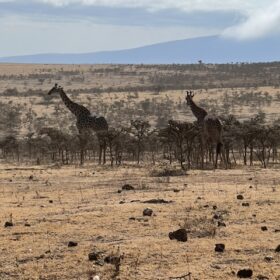
Imagine waking up in the middle of the Serengeti, getting ready for the day and spotting giraffes wandering across the plains in the distance. No zoo, no wildlife park, just animals roaming freely in their natural habitat.
That actually happened to us in Tanzania. I was sitting in our safari tent, doing Anneloes’s hair, when we spotted giraffes in the distance. An ordinary family moment in a place that was anything but ordinary.
It’s one of those memories that stays with you long after you’ve unpacked your suitcase and returned to everyday life.
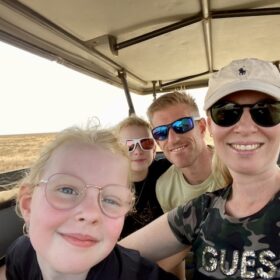
Tanzania had been on our travel wish list for a long time. We wanted to see Africa’s famous wildlife, explore the vast savannahs and experience a safari as a family. We travelled through northern Tanzania with our two daughters, Anneloes and Evelijn, who were nine and five at the time.
We visited five national parks, saw the Big Five and even spotted cheetahs on our final day. We also experienced the less glamorous side of family travel: children getting tired, a five-year-old who needed some extra attention at mealtimes and two girls who, despite being surrounded by incredible wildlife, still wondered whether there was a McDonald’s nearby.
There wasn’t. They weren’t impressed.
But that is family travel, isn’t it? The extraordinary moments and the wonderfully ordinary ones tend to go hand in hand.
If you’re planning a Tanzania safari, this guide covers what we learned along the way. From choosing national parks and accommodation to finding a safari operator, budgeting for your trip and deciding whether to travel with children, I’ll share our experiences and practical advice to help you plan your own adventure.
Disclosure: This post may contain affiliate links. If you book or buy through them, I earn a small commission at no extra cost to you. I only recommend things we've actually used and loved. Thank you for supporting Travel-icious!
Why Choose Tanzania for a Safari?
Tanzania is one of Africa’s most famous safari destinations, and for good reason. Its national parks offer spectacular landscapes, an incredible variety of wildlife and the opportunity to experience animals in their natural environment.
The northern safari circuit is particularly popular with first-time visitors. It combines several well-known destinations, including the Serengeti, Tarangire National Park, the Ngorongoro Crater and Lake Manyara.
You can spend your days looking for lions, elephants, giraffes and cheetahs, while the landscapes change from open grasslands to woodland, crater scenery and areas dotted with enormous baobab trees.
Tanzania also works wonderfully as part of a longer family holiday. We combined our safari with a week in Zanzibar, giving us time to relax after several days of early starts and wildlife spotting.
If you’re considering the same combination, read our guide to Safari + Zanzibar: Why This Is the Ultimate African Family Vacation for more inspiration.
Which National Parks Should You Visit in Tanzania?
We visited Tarangire National Park, Serengeti National Park, the Ngorongoro Crater, Lake Manyara National Park and Arusha National Park.
Each destination offered something different. Some of our memories involved incredible wildlife encounters, while others were about the scenery, the accommodation or simply having time to enjoy the surroundings.
You don’t necessarily need to visit every park to have a wonderful safari. Your ideal route depends on your available time, budget, interests and the ages of the people travelling with you.
Arriving in Arusha: A Slow Start to Our Safari Adventure
We arrived in Arusha at 6 am, and by that point, we were all absolutely exhausted. Travelling with two children is wonderful, but early-morning arrivals after a long journey aren’t exactly anyone’s favourite part of a holiday!
Luckily, Ilboru Safari Lodge was able to arrange a temporary place for us to sleep until our room was ready. And honestly, we needed it. We could finally get some rest instead of trying to keep four tired people awake until check-in.
Evelijn was so exhausted that she even had a little accident and wet her trousers. Not exactly the holiday memory you plan to make, but these things happen when little ones are completely worn out. Fortunately, the hotel handled it without any fuss. They were happy to wash her clothes, which was a huge relief. When you’re travelling with children, it’s these little things that can make such a difference!
Once we had rested and our room was ready, we took it easy for the rest of the day. We spent the afternoon relaxing by the pool, enjoyed a good meal and didn’t plan anything else. No sightseeing, no rushing around, no trying to squeeze in one more activity. Just a much-needed chance to recharge.
It was exactly what we needed, because the following day our safari adventure would finally begin. And we wanted to be rested enough to enjoy every minute of it!
Where to Stay: We stayed at Ilboru Safari Lodge on our first night in Arusha. If you’re arriving early in the morning, it’s worth asking your accommodation whether an early check-in or somewhere to rest before your room is ready can be arranged.
Check prices and availability at Ilboru Safari Lodge
Tarangire National Park: Don’t Skip This Elephant Paradise
Tarangire is often overlooked when people plan a Tanzania safari, but in our opinion, that’s a real shame.
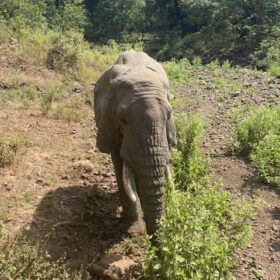
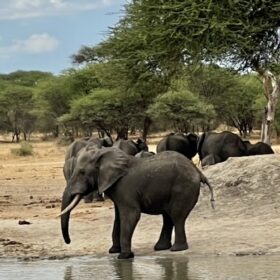
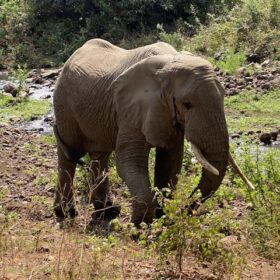
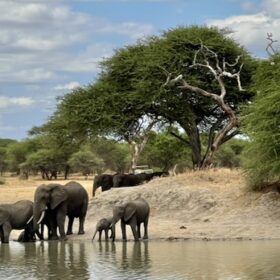
We had one of our most memorable wildlife experiences here: sitting in the middle of a herd of elephants.
And when I say a herd, I mean elephants of all sizes, from the enormous adults to the little ones. We were able to sit quietly and watch these beautiful animals behaving naturally in their own environment. They were so close!
Seeing elephants in a zoo is one thing. Watching an entire herd interact in the wild, with adults and youngsters moving around together, is something else entirely.
It was one of those moments when you realise how special a safari can be. You don’t always need to chase the Big Five or search for the next animal on your list. Sometimes, the best thing to do is stop, watch and enjoy what’s happening right in front of you.
Tarangire is also known for its enormous baobab trees, which make the landscape particularly distinctive. Combined with its wildlife, the scenery makes it a wonderful addition to a northern Tanzania itinerary.
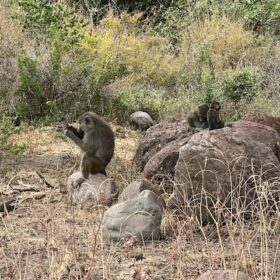
A practical tip for visiting Tarangire: The park has a picnic area with toilets, picnic tables and a small shop. You’ll also find plenty of monkeys wandering around.
They aren’t aggressive, but they are extremely clever when it comes to stealing food. Keep a close eye on your lunch and never leave it unattended. Those monkeys know exactly what they’re looking for, and an unattended picnic can quickly become their picnic instead.
For us, Tarangire was much more than a stop between destinations. It gave us the chance to observe a herd of elephants up close without rushing on to the next sighting.
If you’re planning a northern circuit safari, we’d definitely recommend giving this park a place on your itinerary.
Where to Stay: We stayed at Endoro Lodge during our visits to Tarangire National Park and the Ngorongoro Crater. If you’re planning to visit both areas, it’s worth looking at accommodation that works well for your itinerary.
Check prices and availability at Endoro Lodge
Serengeti National Park: The Classic African Safari
The Serengeti is probably the national park most people picture when they think about a safari in Tanzania.
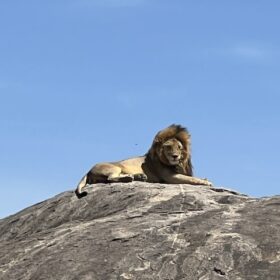
Its vast plains are home to lions, elephants, giraffes, zebras, wildebeest, cheetahs and many other animals. The park is also famous for the Great Migration, when enormous herds of wildebeest and other grazing animals move through the Serengeti ecosystem in search of fresh grazing.
We spent two nights in the Serengeti, staying at Embalakai Tented Camp, and it was an experience I’ll always treasure.
One of my favourite memories wasn’t even made during a game drive. We were sitting in our safari tent when I noticed giraffes walking in the distance. I was doing Anneloes’s hair, and there they were, just wandering across the plains.
It was such a special moment. We were simply getting ready for the day as a family, while the Serengeti carried on around us.
That’s one of the things I loved most about staying in a tented camp. The wildlife wasn’t something we only experienced from the safari vehicle. Even the moments between activities felt connected to the landscape around us.
Our camp was guarded by Maasai, which made the whole experience even more special. Once it was dark, we couldn’t simply wander over to the dining area on our own. Instead, we had to call someone using the walkie-talkie, and one of the Maasai would come to escort us.
It felt pretty cool and exciting, especially for the girls. Walking through the darkness with someone guiding us through the camp was an adventure in itself!
And then there was Evelijn, who was still little at the time, with her very blonde hair and cute little face. She received what we quickly started calling the princess treatment. It didn’t matter which Maasai came to collect us or bring us back to our tent: they would always carry her. Evelijn absolutely loved all that attention, of course. Why walk when you can be carried around camp like a little princess?
But this experience also reminded us that safety is an important part of a safari. In a tented camp surrounded by wilderness, wild animals can move around freely, even when you’re back at your accommodation. Always follow your camp’s safety instructions, and if staff tell you not to walk around after dark without an escort, take that seriously. You’re staying in the animals’ natural habitat, not in a regular hotel where you can wander wherever you like.
It’s a very different experience from a conventional holiday, and that’s precisely what makes it so memorable. You’re not just visiting the wilderness during the day; you’re staying right in the middle of it.
If the Great Migration is high on your wish list, remember that the herds move throughout the year. Their location depends on the season, so discuss your travel dates and priorities with your safari operator before booking.
For a more detailed guide, see Serengeti National Park: Everything You Need to Know Before You Go.
Where to Stay: We spent two nights at Embalakai Tented Camp in the Serengeti. Staying in a tented camp was one of the highlights of our safari.
Check prices and availability at Embalakai Tented Camp
Ngorongoro Crater: Wildlife and a Very Unwelcome Snack Thief
The Ngorongoro Crater is another highlight of Tanzania’s northern safari circuit. This enormous volcanic caldera has a distinctive landscape and supports a remarkable variety of wildlife.
It also offers an opportunity to look for the endangered black rhinoceros. As with all wildlife sightings, nothing is guaranteed, but the possibility of seeing one makes the crater particularly exciting for many visitors.
Our own Ngorongoro adventure began before we had even entered the crater.
Our guide, Valance, had to arrange our entrance paperwork. We were sitting in the jeep, waiting patiently, when we realised that the bananas on the dashboard had attracted some unwanted attention.
The culprits? Baboons.
They had spotted our snacks and clearly decided that these bananas should belong to them. The windows were open halfway, but we still couldn’t get them closed quickly enough when we realised what the baboons were up to!
The baboons weren’t in any hurry, though. They settled themselves on the car and waited, apparently hoping we would eventually give up and hand over the bananas.
We managed to keep our snacks to ourselves, and the baboons seemed perfectly happy to pose for photos while they waited.
It was a funny reminder that on safari, you aren’t always the one watching the animals. Sometimes, they’re watching you and eyeing up your lunch.
Our tip: Keep food out of sight and follow your guide’s instructions around wildlife. Animals that look amusing or harmless can be surprisingly quick, and you don’t want your safari memories to include an avoidable encounter with a hungry baboon.
Lake Manyara National Park: A Green Oasis
The lush landscape is what makes Lake Manyara National Park so special. While large parts of northern Tanzania consist of savannah, dusty plains and scrubland, Lake Manyara feels like a green oasis. As soon as you enter the park, the scenery changes. You drive through dense forest, surrounded by tall trees and tropical vegetation, giving parts of the park an almost jungle-like atmosphere.
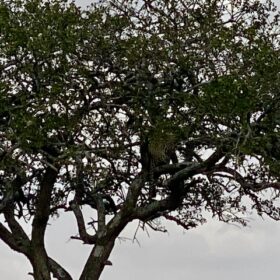
The dense vegetation also makes spotting wildlife a little more challenging. Unlike the wide-open plains of the Serengeti, you can’t always see what’s hiding between the trees. Lake Manyara is particularly famous for its tree-climbing lions, which sometimes rest in the branches of large acacia trees. Unfortunately, we didn’t spot any of them during our visit.
We did, however, encounter an elephant, which gave Pim and me an opportunity to get the girls excited about another wildlife sighting.
“Look, an elephant!” we enthusiastically told them.
Anneloes’s response? She had seen enough elephants already. She was perfectly happy to carry on watching her YouTube video!
Apparently, there is a limit to how many elephants a nine-year-old wants to see in one holiday. And there we were, thinking we’d just spotted something exciting.
It was a funny little moment that perfectly captured how our safari was going. For Pim and me, every new animal was still exciting, while the girls were already getting used to seeing wildlife everywhere.
Lake Manyara offers a different experience from the other parks on a northern Tanzania safari. Its green forests and dense vegetation make it worth visiting for the scenery alone, even if spotting animals can sometimes be more difficult than on the open plains.
Arusha National Park: More Than a Starting Point
Arusha is often the starting point for a northern Tanzania safari, but Arusha National Park is a destination in its own right.
It offers beautiful scenery and a different kind of experience from the vast plains of the Serengeti. Depending on the activities available and the arrangements you make, it can also offer the opportunity to explore designated areas on a guided walking safari with an armed ranger.
A walking safari is very different from watching wildlife from a vehicle, so check which activities are available and suitable for your itinerary before you book.
If you’re planning a safari, the right combination of parks will depend on your interests, budget and available time. Rather than rushing from one destination to another, I’d recommend allowing enough time to enjoy each place.
You can find inspiration for planning your route in Our Complete Tanzania Itinerary (10–14 Days).
Our Tanzania Safari Itinerary
We travelled through northern Tanzania, visiting several national parks before heading to Zanzibar for a week by the sea.
Here is the safari route we followed, including the accommodation we stayed in during the trip.
A note about planning your own route: The order of the parks, driving times and overnight stops can vary depending on your safari operator, accommodation and travel dates. Use our itinerary as inspiration, then ask your operator to build a route that fits your own trip.
For a more detailed day-by-day plan, see Our Complete Tanzania Itinerary (10–14 Days).
How Many Days Do You Need for a Tanzania Safari?
For a northern circuit safari, I’d generally recommend allowing at least five to seven days, depending on which parks you want to visit. If you’d like to include several destinations without rushing, an itinerary of around 10–14 days gives you more flexibility.
Remember that Tanzania is a large country. Driving times can be long, the Serengeti is vast, and journeys between parks aren’t always quick. Road conditions, wildlife sightings and the location of your accommodation can all affect your schedule.
When travelling with children, I would be particularly careful not to plan too many consecutive long driving days.
Our advice is to decide which experiences matter most to you and build your itinerary around them. It’s better to enjoy a few destinations properly than to spend your entire holiday looking at the clock.
Allowing some downtime at your accommodation can also make a big difference. Even on the most exciting family holiday, children sometimes need a break from being in the car and looking for animals.
What Animals Can You See on a Tanzania Safari?
One of the biggest reasons to visit Tanzania is, of course, the wildlife.
Depending on the parks you visit, the season and a little bit of luck, you may see:
- Lions
- Elephants
- Leopards
- African buffalo
- Rhinoceroses
- Giraffes
- Zebras
- Wildebeest
- Cheetahs
- Hyenas
- Hippos
- Numerous bird species
The animals you see will depend on where you go and the conditions during your visit. No responsible safari operator can guarantee every sighting, which is part of what makes a safari an adventure.
Seeing the Big Five
We were lucky enough to see the Big Five during our safari: lion, leopard, elephant, rhinoceros and African buffalo.
Spotting these five iconic animals was an incredible experience. But our safari wasn’t over yet.
On our final day in the Serengeti, our guide, Valance, went all out to help us find cheetahs. He knew how much we wanted to see them, and he didn’t give up.
And we found them!
It was a fantastic way to finish our safari. We had already seen so much, but those final cheetah sightings made the last day extra special.
This is why having a knowledgeable guide can make such a difference. You can never guarantee which animals you’ll see, but an experienced guide knows the area, understands wildlife behaviour and can help you make the most of your time in the parks.
And remember, a safari is about more than collecting sightings. Enjoy the scenery, watch how the animals interact and appreciate the quieter moments, too.
Lunch in the Middle of the African Wilderness
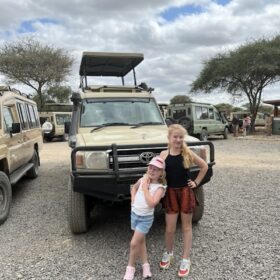
One of the things we really loved about our private safari was that Valance took care of our lunches every day.
He arranged our picnics so we could spend the day exploring the national parks without having to return to our accommodation for every meal.
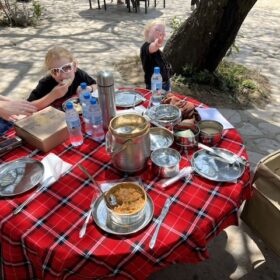
We would stop somewhere out in the open, find a spot to sit and enjoy our picnic surrounded by the African wilderness. There’s something about eating outdoors, with those incredible landscapes around you, that makes even a simple lunch taste extra delicious.
Usually, we had chicken, rice and vegetables, and everything was genuinely tasty. Somehow, food just tastes better when you’re sitting in the middle of the African wilderness, knowing that wild animals are roaming somewhere nearby.
Valance also paid attention to the little things that made a big difference for our family.
Before our trip, we’d told him about Evelijn, our picky eater. Getting her to eat wasn’t always straightforward, but he took it in his stride.
If she’d enjoyed the bread rolls at breakfast, he’d make sure to bring extra for her. If pancakes were more her thing that morning, pancakes it was.
He made sure she always had something she would eat, which meant one less thing for us to worry about.
That might sound like a small detail, but when you’re travelling with children, it really isn’t. There’s nothing worse than spending a wonderful day exploring the savannah only to discover that your youngest has decided she won’t eat anything you’ve brought along.
Having a guide who remembered those little things made our trip so much easier. Valance wasn’t just driving us from one wildlife sighting to the next; he was helping make the entire experience work for our family.
And honestly, a picnic with a view like that beats eating lunch at your desk any day!
When Is the Best Time to Visit Tanzania for a Safari?
Tanzania is a year-round destination, but the best time for your safari depends on what you want to experience.
The main dry season generally runs from June to October. During this period, vegetation is often less dense and wildlife can be easier to spot around water sources.
There are also rainy periods, including the longer rains that typically occur around March to May and a shorter rainy season later in the year. Exact conditions vary, so it’s worth checking the climate for the areas you intend to visit.
The Great Migration is another important consideration. This is a natural, year-round movement of wildebeest and other grazing animals through the Serengeti ecosystem and into Kenya’s Maasai Mara.
The location of the herds changes throughout the year. There isn’t one single month when you can guarantee the best migration experience everywhere.
If witnessing the migration is your main reason for visiting, discuss your travel dates and preferred sightings with a knowledgeable safari operator before booking.
If you’re more interested in seeing a variety of wildlife, enjoying the landscapes and exploring several national parks, you have more flexibility.
Our advice is to choose your travel dates based on your priorities rather than assuming that one month is always the best time for a safari.
For a more detailed seasonal breakdown, read Best Time to Visit Tanzania for a Safari.
Should You Choose a Private Safari or a Group Safari?
This was one of the most important decisions we made when planning our family trip.
We deliberately chose a private safari because our daughters were still young. Anneloes was nine and Evelijn was five, and we wanted the freedom to adapt our days to their needs.
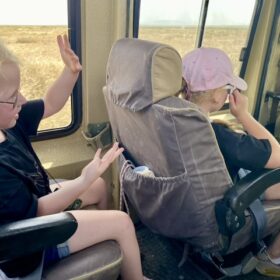
A safari involves spending quite a lot of time in a vehicle. Even when you’re surrounded by incredible wildlife, children can get tired, hungry or simply lose interest.
And that’s perfectly normal.
We didn’t want to be in a situation where the girls had had enough for the day, but we still had to continue because the rest of the group wanted to stay out longer.
With a private safari, we could travel at our own pace and make adjustments when needed.
The Advantage of Having a Guide Who Understands Children
Our guide, Valance, was a father himself, and that made a real difference.
He seemed to understand when the girls were getting tired or had seen enough for a while. We didn’t have to worry about them disrupting a group or feeling that they had to keep going when they needed a break.
He also made the experience fun. On our final day, he went out of his way to help us find cheetahs, and his enthusiasm added so much to our trip.
And then there was the McDonald’s question.
At some point, the girls asked Valance whether there was a McDonald’s nearby. When he told them there wasn’t and that he had never been to one, their faces were priceless!
Apparently, even the African wilderness has its limits when you’re five and nine years old.
Is a Private Safari Worth the Extra Cost?
A private safari is generally more expensive than joining a group, particularly if you’re travelling as a couple or a small family.
However, the price difference depends on the operator, the vehicle, the accommodation and the number of people travelling.
For us, the flexibility was worth it. We could enjoy the safari without worrying about other travellers, and Valance could adapt the experience to our family.
If you’re travelling with young children, I would seriously consider a private tour. If your children are older and comfortable with long days in a vehicle, a group safari may also work well.
The important thing is to choose an arrangement that suits your family rather than automatically opting for the cheapest option.
For more advice about travelling with children, see Safari with Kids: Is Tanzania a Family-Friendly Destination?.
Should You Drive Yourself or Book an Organised Safari?
Technically, you can explore parts of Tanzania on a self-drive safari. However, driving yourself requires careful preparation, particularly if you’re visiting several national parks.
You’ll need to consider vehicle rental, park regulations, route planning, road conditions and accommodation. Depending on where you’re going, you may also need to arrange guides or other services.
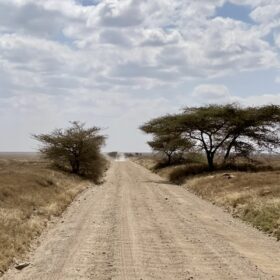
And then there’s the driving itself. Don’t picture smooth, paved roads connecting one wildlife hotspot to the next. Many safari routes involve rough, unpaved tracks, and driving a 4×4 on these roads can be challenging, particularly if you’re unfamiliar with the terrain.
An organised safari takes much of that work off your hands. Your operator can arrange the vehicle, driver-guide, park permits, accommodation and meals, depending on the package you choose.
We opted for an organised safari, and I was very happy with that decision.
I’m not normally someone who immediately chooses an organised trip, but for Tanzania, it made the experience much more relaxed. We could concentrate on enjoying the wildlife instead of worrying about the logistics.
There is another important advantage: experienced safari guides are trained to spot animals that you might easily miss yourself.
While you’re looking at the beautiful scenery, your guide might already have spotted a lion resting in the grass or an animal moving between the trees. Guides also keep in contact with one another, sharing information when someone spots wildlife. This can help you reach sightings you might otherwise have missed, increasing your chances of seeing animals such as lions, leopards and cheetahs.
Of course, no guide can guarantee that you’ll see a particular animal. Wildlife moves freely, and luck always plays a part. But having someone who knows the parks, understands animal behaviour and communicates with other guides can make a real difference.
Our own experience certainly showed us the value of having a knowledgeable guide. On our final day, Valance went out of his way to help us find cheetahs, and we were lucky enough to see them!
Our guide also picked us up at the airport and helped us with practical things along the way, including exchanging money and arranging SIM cards. He shared tips about accommodation, restaurants and everyday life in Tanzania, too.
That personal assistance was particularly useful when travelling with children. We could focus on enjoying the experience as a family rather than managing every detail ourselves.
My advice: If this is your first safari in Tanzania, I’d seriously consider booking an organised trip with an experienced local guide. You’ll have less to organise, won’t need to navigate unfamiliar safari tracks yourself, and may have a better chance of spotting wildlife along the way.
For us, it was absolutely the right choice.
How to Choose a Safari Operator in Tanzania
There are many safari operators in Tanzania, particularly around Arusha, an important starting point for northern circuit itineraries.
Choosing the right one requires some research.
We wanted to work with a local company rather than automatically booking through a European intermediary. I contacted several operators whose reviews looked promising and asked them to prepare an itinerary based on our wishes.
Comparing the proposals helped us understand the different options, accommodation standards and costs.
We eventually booked with African Big Cats Safaris.
We were happy with the organisation of our trip, and choosing our guide, Valance, turned out to be a great decision. He adjusted the itinerary to our needs, communicated well and helped us get the most out of our time in Tanzania.
We also enjoyed his sense of humour and the way he shared his knowledge about the country.
Questions to Ask Before Booking
Before choosing an operator, ask for a detailed itinerary and make sure you understand exactly what’s included.
Here are some questions worth asking:
- Is a private vehicle included, or will you share it with other travellers?
- Are park entrance fees included?
- Which meals and drinks are included?
- Which accommodation will you stay in?
- Are camping equipment and sleeping bags provided if you’re camping?
- Is drinking water included?
- How long are the expected drives between destinations?
- What happens if you need to change the itinerary?
- Are airport transfers included?
- What is the payment and cancellation policy?
Read recent reviews carefully and make sure the company is transparent about costs and arrangements.
It’s also worth discussing your children’s ages with the operator. A good itinerary should take their needs into account rather than simply following a standard route.
Our tip: Don’t choose an operator based on price alone. Communication, flexibility and a knowledgeable guide can make a real difference to your safari experience.
Where to Stay During a Tanzania Safari
Accommodation is an important part of planning a Tanzania safari. You can choose from simple campsites, comfortable lodges, tented camps and luxury safari properties.
Your choice influences both the cost and the atmosphere of your trip. We enjoyed staying in different types of accommodation, and our nights in the Serengeti were particularly memorable.
Here are the places we stayed during our trip.
How Much Does a Tanzania Safari Cost?
A safari in Tanzania can be expensive, but the total cost varies considerably.
Your budget depends on several factors:
- The number of days you spend on safari.
- The national parks you visit.
- Whether you choose a private or group safari.
- The type of vehicle and guide.
- The standard of accommodation.
- The number of people travelling.
- Whether meals, drinks, park fees and transfers are included.
- The time of year you travel.
Park fees form a significant part of the cost, and additional charges may apply depending on the parks and accommodation you choose.
Luxury lodges can increase the price considerably, while camping or staying in more modest tented camps can help keep costs down. However, don’t assume that camping automatically makes a safari cheap. Private vehicles, guides, transport and park fees can still account for a substantial part of the total.
When we compared operators, we looked at the complete package rather than just the headline price. That made it easier to compare what we were actually getting for our money.
I recommend asking for a detailed quotation that lists what’s included and what’s excluded. That way, you can avoid unpleasant surprises and decide where you’re happy to spend more or save a little.
For a more detailed breakdown, read How Much Does a Tanzania Safari Cost?.
What Should You Pack for a Tanzania Safari?
Packing for a Tanzania safari requires a little more thought than packing for a regular beach holiday.
Days can be warm, mornings and evenings can be surprisingly chilly, and dust is very much part of the experience. Your suitcase needs to be ready for a little bit of everything!
Clothing
I’d recommend packing the following:
- Lightweight, comfortable clothing for warm days.
- Long trousers and long-sleeved tops for certain activities and evenings.
- A warm fleece or jacket for chilly mornings and evenings.
- Comfortable walking shoes.
- A hat or cap to protect you from the sun.
- Swimwear if your accommodation has a swimming pool.
Don’t Overpack: Laundry Is Easy to Arrange
Here’s a practical tip that can save you quite a bit of space in your suitcase: washing clothes at hotels and lodges in Tanzania is generally easy and affordable.
You don’t need to pack a completely fresh outfit for every single day of your safari. If you’re travelling with children, this can make a real difference. Kids have a talent for getting their clothes dirty at exactly the wrong moment, and packing for every possible scenario can quickly get out of hand!
Instead, pack a sensible selection of lightweight clothes and use the laundry services available at your accommodation when needed. Just check the price and turnaround time with your lodge, particularly if you’re only staying for one night.
My tip: Pack less than you think you’ll need. Your suitcase will thank you, and you’ll have more room for the things you actually want to bring home!
Practical Essentials
There are a few other things that can make your safari more comfortable:
- Binoculars for spotting animals at a distance.
- A camera with a good zoom, if you have one.
- Sun protection, including sunscreen and sunglasses.
- Insect repellent.
- A reusable water bottle, if appropriate for your trip.
- A small torch or headlamp for moving around darker camps.
- A power bank and charging equipment.
- Any personal medication you need.
A dustproof bag or protective case can also be useful for protecting your camera and other electronics.
We used our iPhones for many of our photographs, and they worked well for plenty of our wildlife encounters. However, binoculars were particularly useful when animals were further away.
Sometimes an animal looks surprisingly close from the jeep, until you realise just how much savannah there is between you!
If you’re travelling with children, remember to pack their comfort items, some snacks for longer drives and a few quiet activities for when they’re tired. Although, as we discovered, even the most enthusiastic young safari-goers can eventually decide they’ve seen enough elephants for one day.
For a more detailed checklist, see What to Pack for an African Safari.
You can also browse the Travelicious Packing Lists Shop for packing lists to help prepare for your family adventure.
Practical Tips for Your First Tanzania Safari
A little preparation can make your safari much more enjoyable. Here are a few things worth thinking about before you go.
Bring Binoculars
Animals aren’t always right next to the vehicle. Binoculars allow you to see details that would otherwise be difficult to make out.
We were very glad we had ours, particularly when animals were some distance away.
Dress in Layers
Temperatures can vary throughout the day. Early mornings may be cool, while afternoons can become very warm.
Lightweight layers make it easier to adapt without overpacking.
Protect Yourself from the Sun
Even if you’re spending much of the day in a vehicle, the sun can be strong.
Bring sunscreen, a hat and sunglasses, and follow your guide’s advice about staying hydrated.
Be Prepared for Long Drives
Distances between parks can be considerable, and road conditions vary.
Bring water and snacks where appropriate, and make sure your itinerary allows enough time for transfers. With children, it’s particularly important to discuss driving times with your operator before booking.
Follow Your Guide’s Instructions
Wild animals are unpredictable. Always follow your guide’s instructions, stay in designated areas and never approach wildlife on foot unless you’re participating in an activity specifically designed and authorised for that purpose.
Check Health Advice Before You Travel
Visit a travel health professional well before departure to discuss vaccinations, malaria prevention and any other precautions appropriate to your itinerary.
Requirements and recommendations can vary depending on your travel history, destinations and current guidance.
Check current visa and entry requirements through official sources before travelling, too.
Our dedicated guide, Travel Tips for Tanzania: Visa, Money, Vaccinations & Safety, will cover the practical details you need to consider before departure.
Enjoy More Than Just the Animals
It’s easy to become focused on finding the next lion, elephant or cheetah.
But take time to appreciate the landscapes, the changing light, the birds and the everyday moments along the way.
Some of our most memorable experiences weren’t planned at all. Watching giraffes from our tent and observing a herd of elephants in Tarangire are two moments I’ll always remember.
Is Tanzania a Good Destination for a Family Safari?
Absolutely, provided you plan the trip around your family’s needs.
We travelled with Anneloes, who was nine, and Evelijn, who was five. Choosing a private safari gave us the flexibility to adapt our days when the girls were tired or had seen enough wildlife for a while. We also researched our operator carefully and made sure the itinerary wasn’t too rushed.
A safari can involve long drives, early starts and plenty of time in a vehicle. Even children who are excited about seeing wildlife may need breaks, snacks or a quiet activity along the way. It helps to be realistic about how much you can fit into each day and to discuss your children’s ages and needs with your operator before booking.
Our experience was wonderful, but it wasn’t because every moment went perfectly. It worked because we had the flexibility to make the trip suit our family.
For more practical advice, read Safari with Kids: Is Tanzania a Family-Friendly Destination?.
Why We Combined Our Safari with Zanzibar
After our safari, we headed to Zanzibar for a week of relaxation. After several days of early mornings, long drives and searching for wildlife, spending time on a tropical island was exactly what we needed.
We stayed at Diamonds Mapenzi Beach Resort in a beautiful beach villa, with the white sand just outside our door. The girls loved the resort’s entertainment, and they still remember the “Jambo” song years later.
We also explored parts of the island. At Salaam Cave, we swam with sea turtles, while our visit to Prison Island introduced us to its famous giant tortoises. Anneloes was a little nervous about getting too close to them!
Stone Town and the spice tour were less interesting for the girls, so we kept those visits relatively short. Not every activity needs to be a highlight for every member of the family.
For us, combining Tanzania and Zanzibar was a wonderful way to end the holiday: an adventurous safari followed by time to relax together on the beach.
If you’re considering the same combination, read Safari + Zanzibar: Why This Is the Ultimate African Family Vacation for advice on planning both parts of your trip. You can also explore our Zanzibar: The Ultimate Family Travel Guide for more inspiration, or read Enjoy Bounty Island Zanzibar for more about our experience on the island.
Would We Recommend a Tanzania Safari?
Absolutely. Tanzania gave us some incredible family memories, from watching giraffes wander past our tent to sitting among a herd of elephants in Tarangire.
What made the trip work particularly well for us was choosing a private safari, finding a guide who understood travelling with children and allowing enough time to enjoy the experience without rushing.
Would every moment have been equally exciting for the girls? Probably not. By the end of the trip, Anneloes had seen enough elephants and was ready for a movie. And the lack of a McDonald’s nearby was still disappointing!
But that’s family travel. You can plan the most extraordinary adventure, and your children will still have their own ideas about what makes a holiday memorable.
If you’re dreaming of an African safari, Tanzania is well worth considering. Do your research, choose your safari operator carefully and build an itinerary around your family’s interests and needs.
Ready to Plan Your Own Tanzania Adventure?
Planning a Tanzania safari involves quite a few decisions, from choosing national parks and accommodation to working out your budget and deciding how long to stay.
If you’d like some help turning your ideas into a practical family itinerary, my Let Me Plan Your Trip service can help.
You’ll receive a seven-day itinerary, accommodation and activity suggestions, practical travel advice and one revision, tailored to your travel dates, budget and interests.
About the Author

Author / Founder of Travel-icious.com
Family travel blogger with 10+ years of experience. Travelling with kids across the globe.