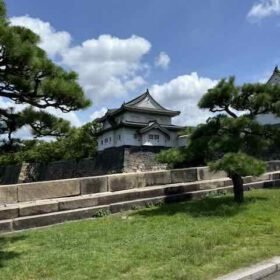
There is something that happens when you arrive in Kyoto. You don’t necessarily notice it straight away. The train pulls into Kyoto Station, people hurry off the platform, you’re still trying to work out which exit you need and one of the kids is probably asking when they can have a snack. It feels like every other travel day. And then, somewhere between the busy station and the first quiet street lined with wooden houses, Kyoto starts to feel different. Tokyo had been huge, bright and slightly overwhelming in the best possible way. There were neon lights, arcades, giant department stores, Disney magic and enough things happening to keep the kids entertained from breakfast until bedtime. Kyoto was different. Quieter. Older. Slower. And after the energy of Tokyo, that was exactly what we needed. If you’re planning a family trip to Japan, I would give Kyoto at least a few nights rather than trying to squeeze it into a day trip. There is simply too much to experience, and some of the best Kyoto moments happen when you’re not rushing from one famous sight to the next. This is our guide to Kyoto with kids – but more importantly, it’s how I’d approach Kyoto as part of a bigger family journey through Japan. And if you’re just starting to plan that journey, begin with our Japan with Kids: The Ultimate Family Travel Guide (2026) – Part 1, Part 2 and Part 3. We’ve broken the whole trip down into manageable pieces because planning three weeks in Japan can otherwise become a little overwhelming.
From Tokyo to Kyoto
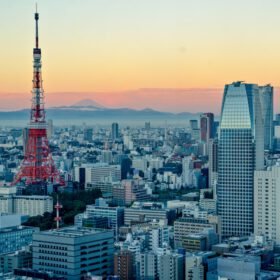
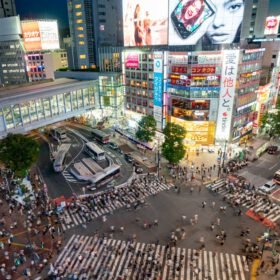
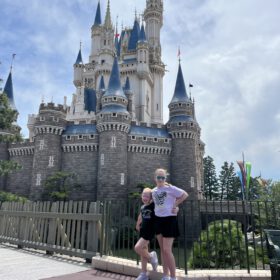
By the time we reached Kyoto, we’d already experienced the madness of Tokyo. If you’ve read our Tokyo with Kids guide, you’ll know exactly what I mean. Tokyo is the kind of place where you can spend the morning looking down at the city from a skyscraper, eat lunch somewhere completely unexpected, disappear into an arcade in the afternoon and somehow end up surrounded by thousands of people at a railway station that seems to have a population of its own. The kids loved it. But Kyoto felt like taking a deep breath. And getting there was part of the adventure. The Shinkansen is one of those things that children tend to remember surprisingly well. There is something about watching that enormous bullet train arrive at the platform, stepping inside and then suddenly gliding through the Japanese countryside that feels exciting in itself. If you’re nervous about taking the Shinkansen with children, don’t be. We have a whole guide about How to Travel on the Shinkansen with Children, including seats, luggage, snacks and what to expect at the station. One thing I’d definitely consider for a longer Japan itinerary is luggage forwarding. Rather than dragging enormous suitcases through every station, you can send your main luggage ahead and travel with a small overnight bag. Your future self will thank you.
Our first impression of Kyoto
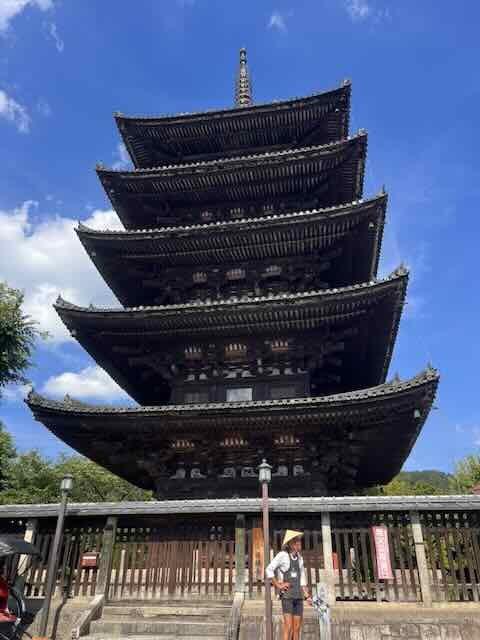
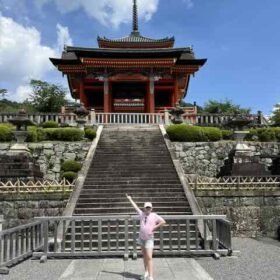
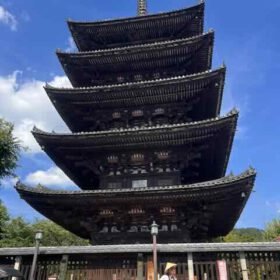
Our first instinct was probably the same as most families: “Okay, what are we going to see first?” Because that’s what we’re trained to do when we travel. Find the famous thing. Tick it off. Move on. But Kyoto taught us pretty quickly that it works better if you don’t do that. There are temples everywhere. Shrines. Gardens. Traditional streets. Markets. Bamboo forests. Tea houses. You could spend weeks here and still not see everything. So instead of trying, we picked a few things we really wanted to experience and left space around them. And one of those experiences turned out to be one of the highlights of our entire Japan trip.
Dressing up in a real kimono
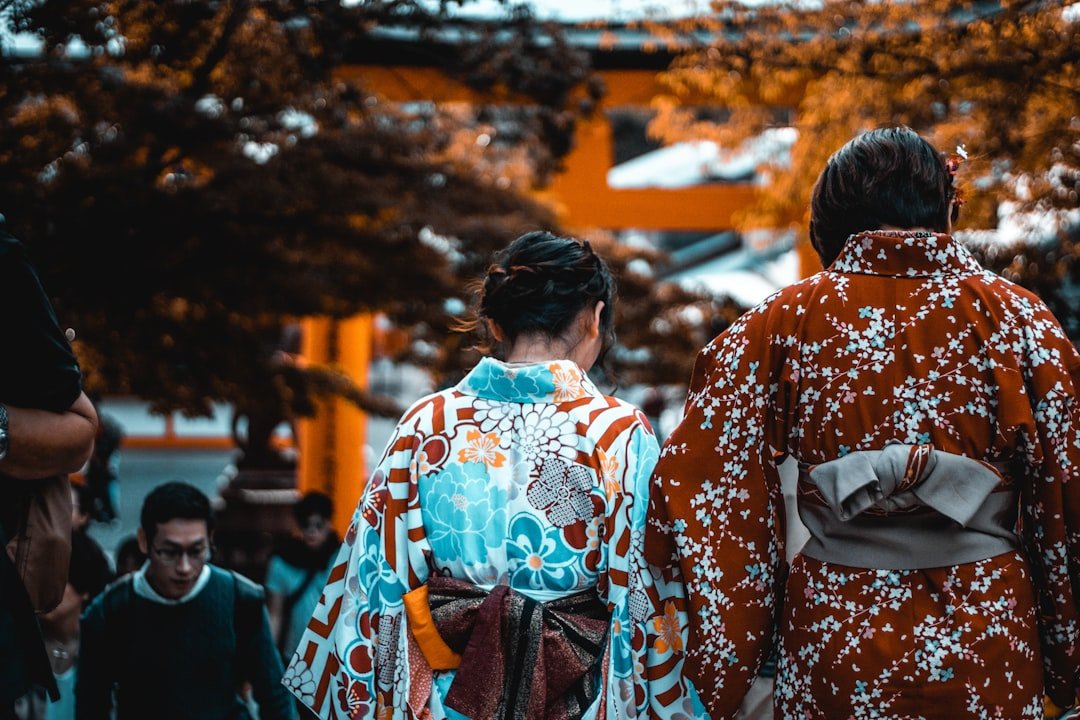
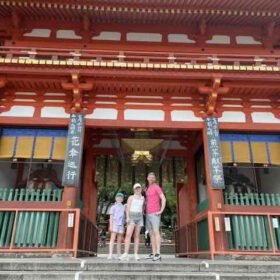
I knew I wanted the children to experience more than just looking at Japanese culture. I wanted them to actually do something. So we booked a traditional kimono experience. The girls were dressed in beautiful original-style Japanese kimonos, with layers of fabric carefully wrapped around them and the obi tied properly around their waists. The whole process took longer than they expected. There was giggling. There was looking in the mirror. There was the inevitable: “Is it supposed to be this tight?” And then they saw themselves properly dressed. And suddenly it all became very serious. They looked beautiful. More importantly, they felt special. We walked through Kyoto in our kimonos, and suddenly the city looked different again. Every little street seemed to belong in a photograph. It wasn’t just dressing up for a picture. It was an experience. And I loved seeing how interested the children became in the clothes, the traditions and the history behind them. If you’re looking for family-friendly cultural experiences in Kyoto, this is one I’d put high on the list. You can find Kyoto kimono and cultural experiences through our https://getyourguide.tpk.lu/OrKGbkZY
And then we sat down for tea
The kimono experience was followed by something I wasn’t completely sure the children would enjoy: A traditional Japanese tea ceremony. Because sitting quietly while somebody carefully prepares tea doesn’t exactly sound like the most exciting activity when you’re a child. But they surprised me. The atmosphere was calm and beautiful. Everything had a purpose. Every movement was deliberate. We watched the tea being prepared, learned a little about the ceremony and followed the etiquette we were shown. And for a little while, everyone slowed down. No phones. No rushing. No “come on, we’re going to be late.” Just tea. It was one of those experiences that made Kyoto feel completely different from anywhere else we’d been. And perhaps that’s why it stayed with us. Kyoto isn’t always about giving children something exciting to do. Sometimes it’s about letting them experience something they wouldn’t normally encounter at home.
Fushimi Inari: the red gates
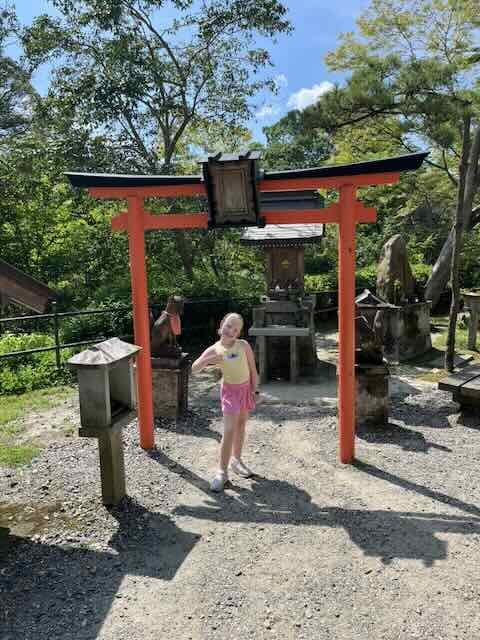
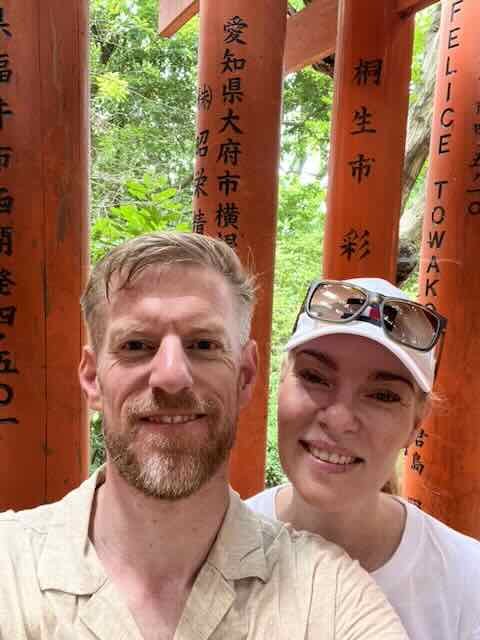
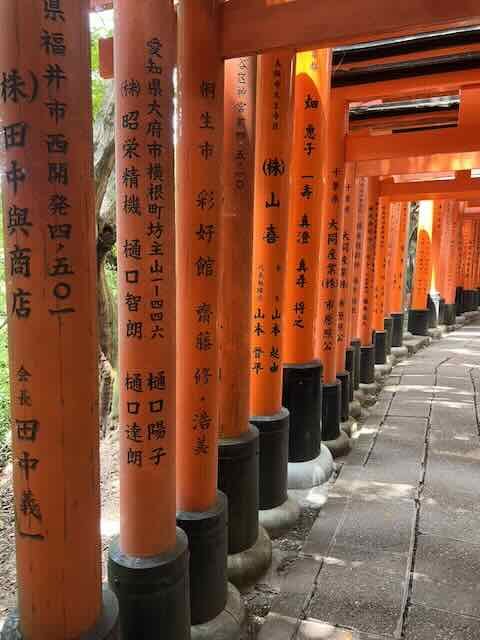
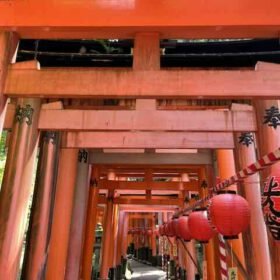
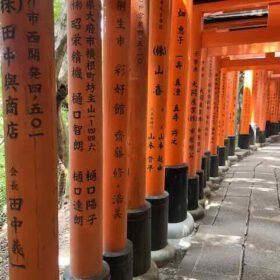
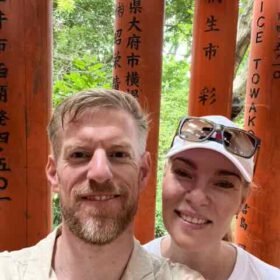
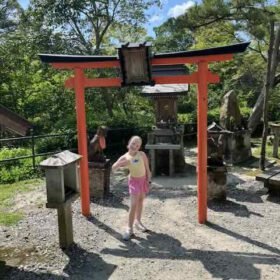
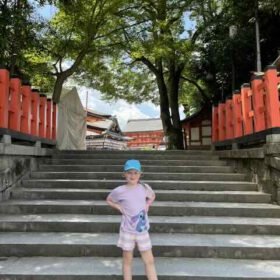
Of course, we couldn’t come to Kyoto without visiting Fushimi Inari. You’ve probably seen the photographs. Thousands of orange-red torii gates disappearing up the mountain. The reality is even more impressive. We arrived early, because this is one of those places where the atmosphere changes dramatically as the crowds build. At the beginning, the children were full of energy. They wanted to walk through every gate. They counted them. They raced ahead. And then, naturally: “Are we nearly there?” No. Not even slightly. The entire route up Mount Inari can take several hours, and you absolutely don’t have to walk all the way to the top with children. We walked until we’d had enough, enjoyed the atmosphere and turned around. That’s one of my biggest Travelicious tips for Kyoto:
You don’t get extra points for finishing the mountain.
If the kids are happy, keep going. If they’re tired, turn around. You’re on holiday. The thousands of vermilion torii gates are spectacular, but the experience doesn’t become better simply because you’ve walked further.
Nishiki Market and the very important question of lunch
By lunchtime, nobody cared about temples anymore. Everyone cared about food. Luckily, Kyoto is very good at that. Nishiki Market became one of those places where we could wander without having to make everybody sit down for a formal meal. We tried things. Some were instant hits. Some were met with suspicious looks. And some were returned with a very clear: “Nope.” That’s family travel. I actually think markets are brilliant with children because they can see the food, smell it and choose something themselves. Mochi, fruit, Japanese omelettes, grilled seafood, sweet treats – there is plenty to discover. And if you have a picky eater, don’t worry too much. Japan has convenience stores everywhere, and honestly, they can be lifesavers when someone suddenly decides they are starving.
Kyoto with kids means accepting that they will get bored
I think this is worth saying. Your children will probably get bored at some point in Kyoto. Even the most beautiful temple in the world eventually becomes: “Is this another temple?” Yes. It is. And that’s okay. That’s why I wouldn’t plan four major cultural sights in one day. Give yourselves a slow morning. Have lunch somewhere fun. Let the kids choose something. Go back to the hotel for an hour. Then go out again. Kyoto has plenty of family-friendly alternatives when you need a break from temples. The Kyoto Railway Museum and Kyoto Aquarium are particularly useful if everyone needs something a little more interactive. Because sometimes you just need to let the kids be kids.
Arashiyama: bamboo, monkeys and tired legs
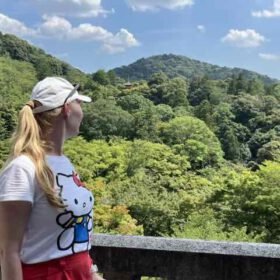
Then there is Arashiyama. This was one of the days where we definitely had that classic family-travel combination: “Wow, this is amazing!” followed shortly afterwards by: “My legs hurt.” The bamboo grove is beautiful. You walk beneath these enormous green stalks and, for a few minutes, it feels as though you’ve stepped into another world. But don’t make the mistake of thinking the bamboo grove is the entire Arashiyama experience. We wandered further, walked along the river and eventually made our way towards Iwatayama Monkey Park. Which involved walking uphill. Naturally, this was when the children suddenly remembered how tired they were. But we kept going. And when we finally reached the top, we were rewarded with views across Kyoto and monkeys wandering around the park. The kids forgot they were tired. For approximately ten minutes. Then they remembered. Still worth it. Arashiyama is best treated as a half-day or full-day experience rather than something you squeeze between two other major attractions. The area includes the famous bamboo grove, Togetsukyo Bridge, temples, river views and plenty of places to stop for something to eat.
Gion in the evening
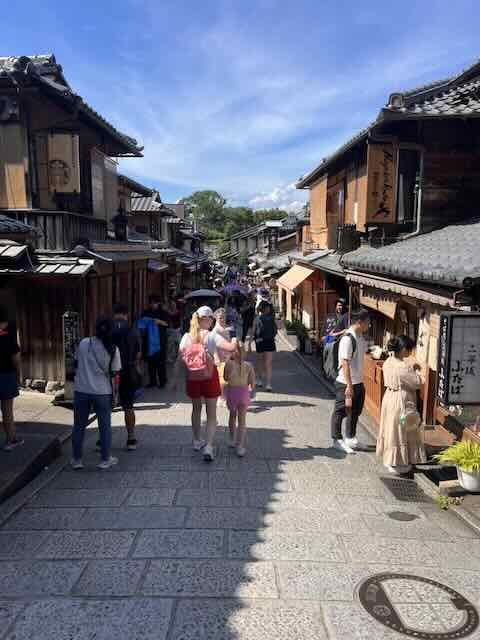
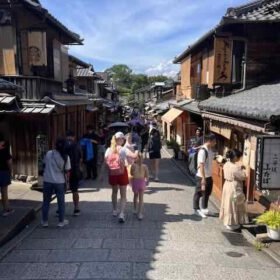
One evening we wandered through Gion. This is the Kyoto you probably imagined before coming to Japan. Traditional wooden houses. Narrow streets. Lanterns glowing as the evening arrives. It is beautiful. But it’s also important to remember that Gion isn’t a theme park. People live and work here. We talked to the children about being respectful, keeping our voices down and not treating people as photographs. If you are lucky enough to see a geisha or maiko, admire from a respectful distance. Sometimes the most memorable part of Gion is simply walking through it. No destination. No attraction to tick off. Just Kyoto.
A day trip to Nara
Kyoto is also a brilliant base for exploring the surrounding area. And one day, we swapped temples and traditional streets for something the children were much more excited about: Deer. Lots of deer. Nara is an easy day trip from Kyoto, and it makes a wonderful contrast to the city. The deer wandering through Nara Park are obviously the big attraction for children, but there is much more to the city, including Todaiji and its enormous Great Buddha. We have written a complete Nara with Kids guide if you’re considering adding it to your itinerary. And honestly, I would. It’s one of those days where you can almost guarantee the kids will have something to talk about afterwards.
Kyoto to Osaka: two completely different worlds
Eventually, it was time to leave Kyoto and continue to Osaka. And this is where I really love the way this Japan itinerary works. Kyoto and Osaka are close enough to combine easily, but they feel completely different. Kyoto is quiet streets, temples, gardens, tea ceremonies and traditional Japan. Osaka is neon, street food, shopping, arcades and giant signs. After several days of Kyoto, arriving in Osaka feels like somebody turned the volume back up. And that’s exactly what makes the combination work. If you’re continuing to Osaka, don’t miss our Osaka with Kids guide. We’ve covered Dotonbori, Osaka Castle, the aquarium, food and – of course – Universal Studios Japan.
Where to stay in Kyoto with kids
For a family trip, location matters. We’d look for a hotel or apartment with easy access to public transport, particularly if Kyoto is part of a longer itinerary. And don’t underestimate the value of having somewhere comfortable to return to after a long day. Because Kyoto involves walking. A lot of walking. If you’re comparing family hotels and apartments, you can check our https://booking.tpk.lu/fXErmS1n We also love the idea of mixing different types of accommodation during a Japan trip. Maybe a city hotel in Tokyo. An apartment in Kyoto. And one night in a traditional ryokan somewhere along the way. The ryokan experience is particularly special with children because they get to sleep on futons, wear yukata and experience a completely different style of accommodation.
Don’t drag your entire suitcase through Kyoto
This deserves its own section because it can make such a difference. Japan is incredibly easy to travel around by train, but that doesn’t mean you want to haul four enormous suitcases through every station. Use luggage forwarding when it makes sense. Send your big bags ahead. Travel between cities with a small overnight bag. It makes the Shinkansen experience much more relaxed and means you’re not trying to navigate Kyoto Station while simultaneously dragging half your house behind you. You’ll find more practical advice in our How to Travel on the Shinkansen with Children guide. And before you leave home, don’t forget our Ultimate Japan Packing List. Because Japan has a way of making you realise halfway through your trip that you packed either far too much or not nearly enough.
Our Travelicious packing trick
One thing that genuinely made our Japan trip easier was using packing cubes. Each family member had their own colour, which meant nobody had to empty an entire suitcase to find one T-shirt. And because we were moving between cities, keeping everything organised made a surprisingly big difference. You can find our Travelicious packing cubes here: Travelicious packing cubes, https://www.travel-icious.com/product/travel-storage-bag-compressible-packaging-cube-copy/ It’s a small thing. But family travel is often about small things that make everything easier.
How Kyoto fits into a three-week Japan itinerary
If you’re following our broader Japan itinerary, Kyoto sits beautifully between Tokyo and Osaka. A route could look something like:
Tokyo → Kyoto → Nara → Osaka → Hiroshima & Miyajima → Tokyo
Or you can use Osaka as your base for some of the surrounding destinations. The beauty of travelling through Japan is that the Shinkansen makes these city changes remarkably straightforward. And each stop gives you something completely different. Tokyo gives you the energy. Kyoto gives you tradition. Nara gives you deer and history. Osaka gives you food, fun and Universal. And then Hiroshima and Miyajima bring a completely different, more reflective side of Japan. If you’re planning the whole adventure, our Japan with Kids: The Ultimate Family Travel Guide (2026) is the best place to start. We split the planning into Part 1, Part 2 and Part 3, so you can build your itinerary without trying to absorb everything at once. And don’t skip our Hiroshima & Miyajima with Kids guide either. Hiroshima is a very different experience from Kyoto and Osaka, and Miyajima provides that beautiful change of pace with its famous torii gate, deer and island scenery.
So, is Kyoto good with kids?
Yes! Looking back at our Japan adventure, Kyoto wasn’t necessarily the loudest or most exciting part. It was something else. It was the pause. After Tokyo, Kyoto gave us room to breathe. Before Osaka turned the volume back up, Kyoto gave us quiet streets, traditional culture and time to simply wander. And perhaps that’s why it stayed with us. When I think about Kyoto now, I don’t immediately picture a checklist of temples. I picture the girls in their kimonos. I picture them sitting at the tea ceremony, trying very hard to behave like grown-ups. I remember tired legs on the way up to the monkeys. I remember everyone being hungry at Nishiki Market. I remember walking through Gion as the lanterns started glowing. And I remember thinking that this was exactly why we had come to Japan. Not just to see it. But to experience it together. That’s what makes Japan so special for families. One day you’re standing beneath thousands of red torii gates in Kyoto. A few days later you’re watching the kids go completely crazy in Super Nintendo World. Then you’re standing quietly beneath the Atomic Bomb Dome in Hiroshima, before finding deer wandering around Miyajima. Every day feels different. And that’s why, if you’re planning Japan with kids, I’d give yourself time. Don’t rush Kyoto. Don’t try to see everything. Give your family space to get tired, get hungry, get curious and occasionally get completely distracted. Because those are often the moments you’ll remember. And if you’re ready to start planning your own Japanese family adventure, start with Japan with Kids: The Ultimate Family Travel Guide (2026) – Part 1, Part 2 and Part 3, then dive into our destination guides for Tokyo, Kyoto, Osaka, Nara and Hiroshima & Miyajima. Pack the comfortable shoes. Bring the snacks. Leave some space in the suitcase. And don’t forget the packing cubes. Japan is waiting. Happy travels, and as always… make every journey deliciously unforgettable. ✈️💙
To provide the best experiences, we use technologies like cookies to store and/or access device information. Consenting to these technologies will allow us to process data such as browsing behavior or unique IDs on this site. Not consenting or withdrawing consent, may adversely affect certain features and functions.
Functional
Always active
The technical storage or access is strictly necessary for the legitimate purpose of enabling the use of a specific service explicitly requested by the subscriber or user, or for the sole purpose of carrying out the transmission of a communication over an electronic communications network.
Preferences
The technical storage or access is necessary for the legitimate purpose of storing preferences that are not requested by the subscriber or user.
Statistics
The technical storage or access that is used exclusively for statistical purposes.The technical storage or access that is used exclusively for anonymous statistical purposes. Without a subpoena, voluntary compliance on the part of your Internet Service Provider, or additional records from a third party, information stored or retrieved for this purpose alone cannot usually be used to identify you.
Marketing
The technical storage or access is required to create user profiles to send advertising, or to track the user on a website or across several websites for similar marketing purposes.