Complete Lapland Packing List: Everything You Need for a Winter Adventure
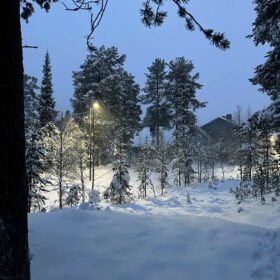
Very few places on this planet feel as utterly magical as Finnish Lapland. Picture waking up to pine trees weighed down by thick, powdery snow, sliding across the quiet Arctic wilderness behind a team of eager huskies, meeting Santa himself way up past the Arctic Circle, and spotting wild reindeer trotting through the drifts. By nighttime, you’re standing outside in the biting chill, gazing up at a clear, star-dusted sky. If luck is on your side, the green ribbons of the Northern Lights start dancing right above your head. It sounds like something straight out of a storybook, but I can tell you from experience, it actually is. Still, before you pack your heaviest winter coat and fly north, there’s one major question every family ends up asking:
What do you actually need to pack for Lapland?
When you see forecasts dropping to -10°C, -20°C, or even lower, it’s terrifying. You instantly picture yourself stepping off the plane and turning into a human popsicle.
Honestly, though? Lapland in winter doesn’t mean suffering through constant shivering.
If you get your layers right and pack smart, you can happily stay outdoors for hours, tromping through deep snow without your toes turning to ice. We figured this out the hard way during our own winter trips up north. Staying warm isn’t about hauling around the thickest, heaviest coat on the planet—it all comes down to what you put underneath it.
So, grab a mug of something hot, pull out your suitcase, and let’s get you packed for Finland.
Dressing for Lapland: Layers Are Everything
When I was packing for the Arctic, I was convinced I’d spend the whole trip shivering. But staying warm up here comes down to one basic rule: layer like your life depends on it, because honestly, it kind of does.
Start with a solid base. Thermal long underwear—ideally merino wool—acts like a second skin, trapping your body heat before the frosty air can touch it. Skip cotton entirely. Trust me on this; once cotton gets damp from sweat or melted snow, you’ll feel like an ice cube for the rest of the day.
Next comes your middle layer, which is all about insulation. A good thick fleece sweater or a lightweight down jacket works wonders here. The beauty of this middle piece is that you can zip it down or strip it off entirely when you pop inside a heated cabin for hot berry juice.
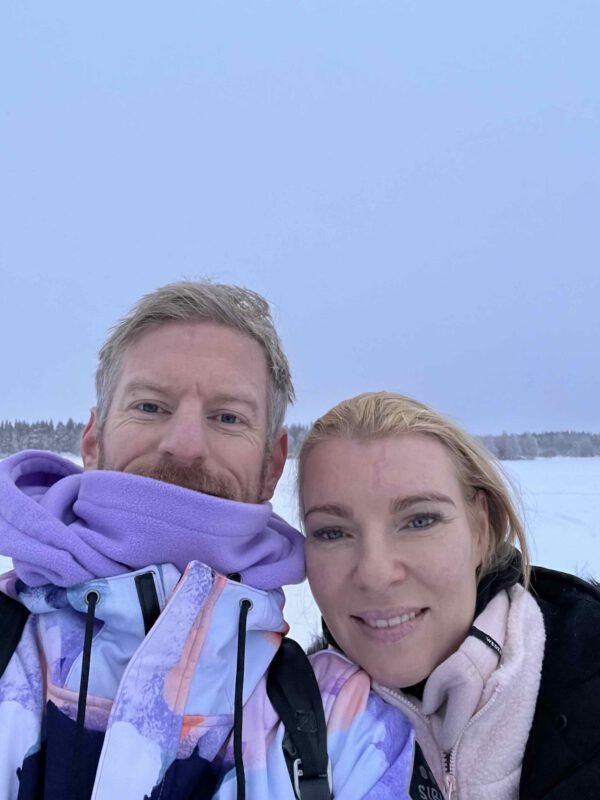
Finally, your outer shell needs to block the wind and snow. You want a heavy-duty, waterproof winter jacket and snow pants. Don’t cheap out on your boots, either. Get them a size too big so you can fit two pairs of wool socks and still wiggle your toes—trapped air is what actually keeps your feet warm, not tight-fitting shoes. Throw in a warm beanie, windproof mittens (they keep fingers way warmer than gloves), and a fleece neck gaiter, and you’re ready to face minus thirty without batting an eye.
Layers, layers and more layers.
Skip the giant, bulky sweater and heavy coat combo. Trust me, you’ll overheat the second you step into a warm cafe, only to freeze when you walk back outside. The real trick is building an outfit out of smaller, smart layers. Each one does a specific job: pulling sweat away from your skin, locking in your body heat, or blocking out the biting winter wind and wet snow.
I like to think of it as my personal cold-weather armour.
At its core, your setup comes down to three basic pieces.
1. Base Layer: Keep Your Body Dry
Think of your base layer as your personal climate control system. It sits right against your skin, and while you might expect it to instantly make you feel like you’re standing in front of a roaring fire, that isn’t really the point. The main job here is to wick sweat away so you stay dry and comfortable.
Here is what you’ll want to pack: – A good thermal shirt – Thermal leggings – Merino wool underwear (if you can get your hands on it)
Whatever you do, leave the cotton at home. Cotton holds onto moisture like a sponge, and once it gets damp, you’ll feel a bone-chilling cold that no heavy coat can fix.
If you are traveling with kids or family, pack at least two full sets of thermals for everyone. Trust me, after five hours of getting tossed around on a husky sled or building snow forts in sub-zero temperatures, pulling on a completely dry, fresh set the next morning is pure bliss.
Curious about what else made the cut for our own trip north? You can check out our complete [Finnish Lapland Packing List] to make sure you haven’t forgotten the essentials.
2. Mid Layer: Trap the Warmth
This middle piece is all about insulation—it catches the heat your body produces and holds onto it. I usually pack a decent fleece jacket, a thick wool sweater, a trusty hoodie, or a packable down coat. The trick is finding something warm that doesn’t make you feel like a stuffed toy, because you need to actually move. And trust me, you’ll be moving a lot up in Lapland. You won’t just stand around shivering; you’ll spend your days trudging through knee-deep drifts, hauling yourself onto dog sleds, building snowmen, hitting the slopes, exploring tiny towns, and staying up way past your bedtime to hunt for the green glows overhead.
3. Outer Layer: Keep Out the Arctic Weather
Your outer shell is what keeps the biting wind, wet snow, and freezing dampness from soaking through to your warm clothes underneath. You will want a heavy-duty waterproof winter coat or a good ski jacket, paired with waterproof ski pants or insulated snow trousers. We actually figured something out the hard way while packing for our own trip to Lapland:
You don’t necessarily need to buy a complete Arctic wardrobe.
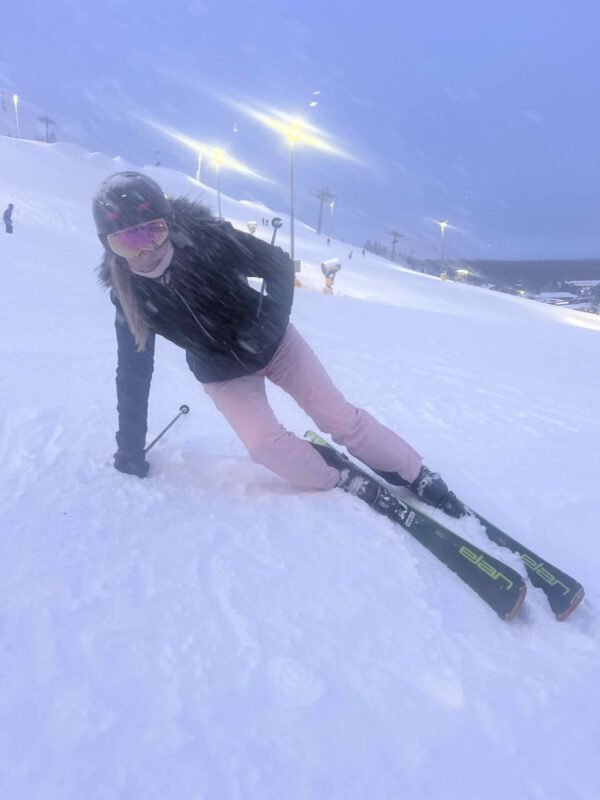
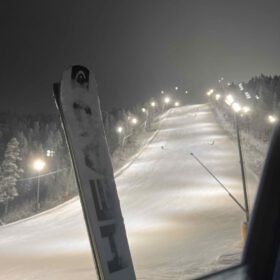
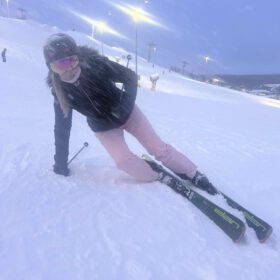
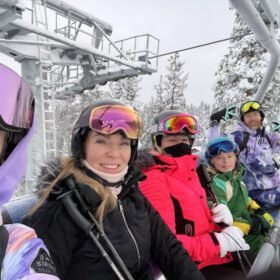
If you already spend time on the slopes, you’re in luck—you likely have most of the kit sitting in your closet right now.
Before heading north, we pulled out our old ski jackets, snow pants, thermal base layers, and heavy gloves. They did the trick brilliantly, saving us from dropping a small fortune on a whole new winter wardrobe.
Don’t panic if your closet isn’t stocked for sub-zero weather, though. You can easily rent full Arctic gear packages on the ground. Local outfitters will hook you up with heavy-duty outer layers and insulated boots. It’s a smart route if this is a one-off trip and those thick winter boots are just going to collect dust back home.
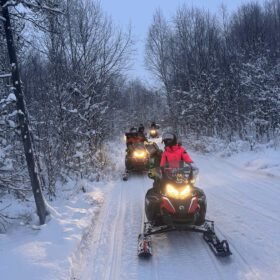
Make sure you read the fine print on your excursion bookings before buying or renting anything extra. A lot of guided trips—like husky sledding or snowmobiling—hand out heavy-duty thermal suits and boots as part of the package. You might end up needing way less gear than you think.
Take an inventory of your closet first, see what your tour operators hand out, and only spend money filling in the actual gaps.
What to Pack for Lapland
So, let’s talk about the unsexy part of planning this trip: figuring out what on earth actually belongs in your suitcase.
A Warm Winter Jacket
Trust me on this one: a solid winter coat will make or break your trip. You’re going to live in this thing the second you step outside, so don’t treat it as an afterthought. You want something that completely blocks the freezing wind, keeps the rain and sleet off your back, and packs enough insulation to hold in your body heat without feeling like a stiff cardboard box. You need to be able to wander around in it for eight hours straight without complaining. The good news? You don’t need to blow your savings on a high-end Arctic expedition parka. Honestly, if you’ve got a decent ski shell hanging in your closet at home, pull it out. It’ll probably do the job just fine.
Snow Pants or Ski Trousers
Trust me, your everyday jeans or leggings just won’t cut it in Lapland. Before you know it, you’ll be kneeling in slush to grab the perfect photo, tumbling into snowbanks with the kids, or shimmying into a wooden sled. That’s why a solid pair of waterproof ski trousers or heavy-duty insulated snow pants is an absolute lifesaver. Plus, having that extra padding makes those long, freezing rides on the back of a snowmobile or husky sled infinitely cozier.
Winter Boots: Don’t Underestimate These
Trust me on this one: your choice of footwear will make or break your trip. Cold, numb toes have a funny way of turning a dream Arctic getaway into total misery faster than you’d think.
I always look for five things before packing a winter pair. They need to be fully waterproof, heavily insulated, comfortable enough for hours on your feet, built for deep snow, and spacious. That last one is where most people mess up. Buying boots that fit too snug is a classic mistake. You actually want a bit of extra breathing room inside so your toes can wiggle around, even with a pair of thick wool socks squeezed in there.
Warm Socks
Trust me on this one: pack more socks than your gut tells you to. I usually toss four or five pairs of thick wool socks into my bag, preferably merino if I can find them in my drawer. They pull moisture away from your skin and keep the chill off even after a long day of walking. Leave the cheap cotton ones at home—once they get damp from sweat or rain, your feet will feel like ice blocks for the rest of the day.
One big mistake I used to make was layering three thick pairs at once thinking it would double the warmth. It actually does the exact opposite. When you cram your feet into boots that are suddenly way too tight, you cut off your blood circulation, and cold toes are guaranteed. Stick to one good, high-quality pair that gives your feet room to breathe.
Gloves and Mittens
Nothing ruins a trip faster than frozen fingers, and believe me, your hands will turn to ice the second you stop walking around. Pack a solid pair of warm, waterproof gloves or mittens, plus thin liners that work with touchscreens so you don’t have to bare your skin just to snap a photo. I always prefer mittens over gloves. Keeping your fingers bundled together lets them trap heat far better than when they’re separated.
If you are traveling with kids, bring at least two spare pairs. Damp, freezing gloves make for miserable little explorers, and nobody wants to handle a full-blown arctic meltdown three hours away from the nearest heater.
Hat and Neck Warmer
Don’t skimp on a good warm hat. You’ll want one that pulls all the way down over your ears and covers the base of your skull where the cold sneaks in. Instead of a standard scarf, pack a soft fleece neck warmer or snood. Scarves tend to flap around and unravel, which gets annoying fast when you’re hurtling through the snow on a husky sled or facing a bitter gust of wind.
What to Pack for Kids in Lapland
Taking your kids to Lapland is pure magic. That said, little ones have an undeniable superpower when winter rolls around: they find the exact spot where snow can sneak inside their clothes, and they will get soaked in record time if you aren’t prepared.
They can get wet unbelievably quickly.
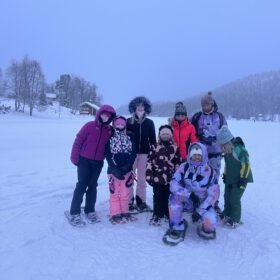
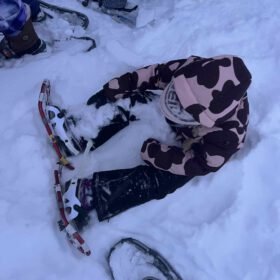
Kids in the snow are a force of nature. They sit right down in the drifts, roll until they look like powdered doughnuts, flop over backwards, and insist on sculpting giant snowmen with their bare hands. Before you know it, ice water has seeped through every layer, and their trousers and gloves are dripping wet.
My golden rule for taking little ones into the cold? Pack way more spares than seems reasonable. You will want to load up on extra thermal underwear, extra socks, spare fleeces, and at least two pairs of good gloves or mittens. High-quality waterproof snow pants and sturdy winter boots are non-negotiable. I always toss in plenty of small snacks and a water bottle, too. Giving each child their own mini backpack works wonders. Let them haul their own water, a pack of tissues, and a small notebook to scribble down their favourite cold-weather moments. Years later, those messy little pencil sketches are what they actually talk about.
Taming family winter luggage is a nightmare if you just throw everything into a suitcase. Bulky sweaters and snow gear eat up space fast, which is why compression packing cubes saved our sanity. We assign a different colour cube to every family member. That simple trick stopped us from ripping open four different bags just to hunt down a missing pair of thermal tights or thick wool socks. When you’re managing gear for four people in a cramped hotel room, being able to grab your own color without digging through a mountain of clothes feels like winning the lottery.
Don’t Forget Your Skin
I learned the hard way that Arctic cold doesn’t just test your thermal layers. It wreaks absolute havoc on your skin. Between the biting outdoor air and the roaring indoor heaters, you’ll feel the moisture getting sucked out of your face within hours.
Your daypack needs a dedicated pocket for the essentials: a heavy-duty lip balm, rich moisturiser, a thick hand cream, your toothbrush, toothpaste, and any personal meds you take daily. And please, don’t skip the sunscreen. It sounds crazy to pack SPF for Lapland in the dead of winter, but the snow acts like a giant mirror. It reflects the sun right back onto your face, and a snow burn is no joke.
Protect Your Electronics from the Cold
We learned the hard way that sub-zero cold absolutely drains battery life. If you’re out trying to photograph the Northern Lights, pack your camera, spare batteries, phone, power bank, phone charger, and an extra memory card. Don’t leave your setup sitting on a tripod in the freezing air between shots. I found that tucking spare batteries into an inside jacket pocket worked wonders—your own body heat keeps them warm enough to actually hold a charge.
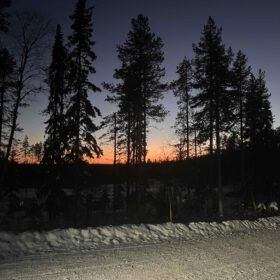
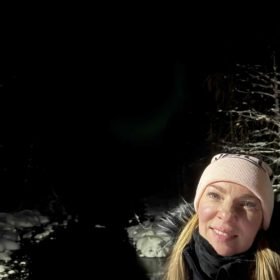
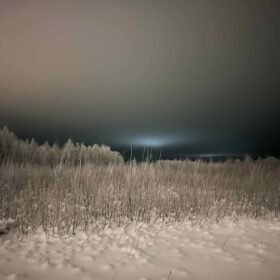
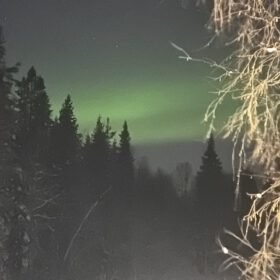
If catching the lights is at the top of your Lapland list, prepare yourself for a whole lot of standing around in the dark. We quickly realized that chasing the auroras rarely starts with those intense, neon-green ribbons you see all over Instagram. Sometimes it’s just a faint, milky haze hanging over the trees. Our night out in Finnish Lapland was a good reality check that the Arctic sky has its own timeline. By all means, pack the gear. Just make sure to bring extra layers, plenty of patience, and realistic expectations, too.
Trying to figure out what to throw in your suitcase for Lapland? Don’t stress about writing it all down from scratch.
I put together a free Finnish Lapland packing checklist that covers every single thing you’ll actually need up there in the snow. It’s got all the good stuff: proper thermal layers, heavy-duty boots, heat-trapping gloves, plus your usual toiletries and gear.
Grab your free Lapland Packing List right here and check items off as you toss them into your bag. Trust me, it takes a massive chunk of prep stress off your shoulders before you board that flight north. ❄️
What to Pack for a Husky Safari
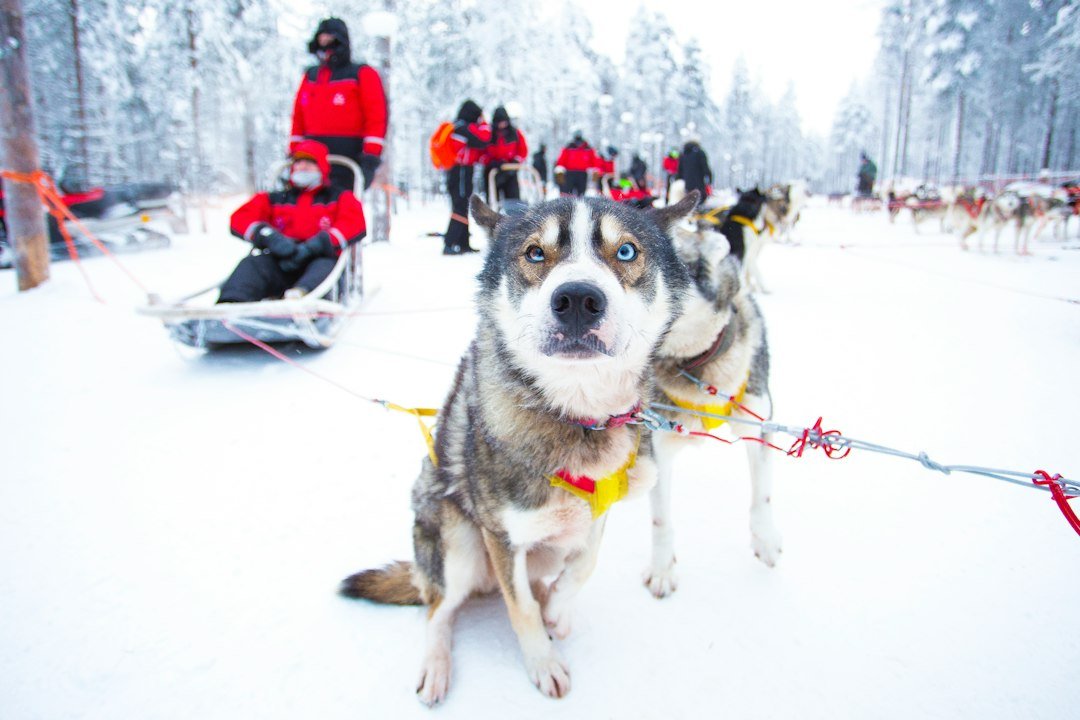
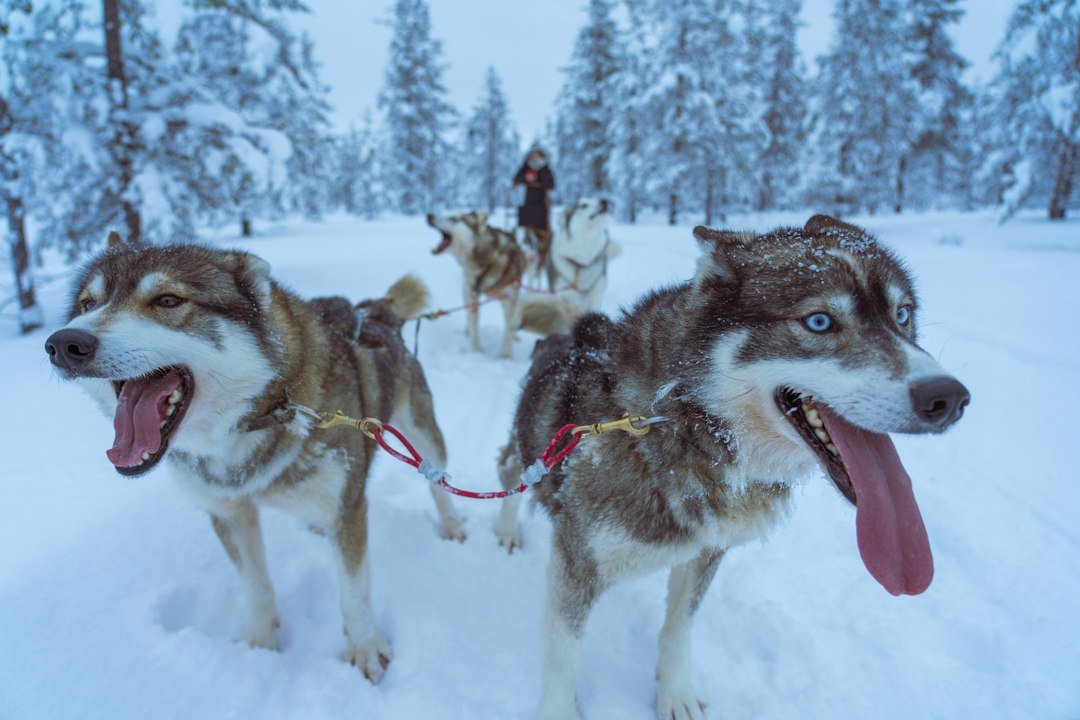
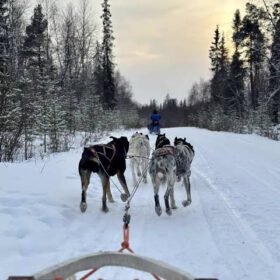
Hands down, riding behind a team of huskies was one of the absolute best things we did in Lapland. That said, it’s also the kind of outing where good cold-weather prep makes or breaks your day. Most tour companies hand out heavy-duty thermal outer suits, but you still need a solid setup underneath. My go-to outfit included a snug merino base layer, a thick fleece mid-layer, heavy wool socks, a fleece-lined beanie, insulated mittens, a cozy neck gaiter, and sturdy winter boots.
Once you pull that bulky rental suit over all your gear, you end up feeling a bit like a marshmallow, but trust me, you’ll stay warm. If you want to know how the whole ride actually unfolds, I wrote all about our time on the sled in my [Husky Safari in Lapland] post. Honestly, once you’re out there on the trails, you barely feel the chill. You’re too caught up in the sound of paws crunching on hard-packed snow, the quiet of the pine trees, and the sheer speed of the dogs to worry about the frost.
What You Don’t Need to Pack for Lapland
I’ve fallen into the overpacking trap more times than I’d like to admit, but Lapland is one place where you can genuinely leave half your wardrobe at home. The vibe up here is wonderfully low-key.
Leave the high heels, dressy evening wear, and thin fashion boots in your closet. An umbrella will just freeze solid, summer clothes are obviously useless, and you really only need one pair of jeans—if that. Denim holds onto the cold like a sponge once you get inside from the snow.
After a long day out in the arctic air, evenings are all about stripping off your bulky outer layers, cupping a warm mug of berry juice in a log cabin, and letting the heat from the fireplace sink into your bones. It’s all about staying warm and comfortable, not dressing for a runway. Though, honestly? You’ll still look great bundled up in a giant bobble hat.
A Few Things That Made Our Lapland Trip Easier
I threw a few cheap, tiny items into my duffel at the last minute, almost as an afterthought, and they ended up saving my sanity in the Arctic cold. They took up virtually zero space between my thermal socks, but I used them every single day.
Bring hand warmers
Grab a few packs of cheap disposable hand warmers before you pack your bags. They take up practically zero room, but trust me, your frozen fingers will thank you. Slip them inside your gloves or jacket pockets when you’re stuck outdoors in the dead of winter — especially during those long, freezing nights standing in a dark field waiting for the Northern Lights to show up.
Don’t dress too warmly indoors
It sounds obvious, I know, but you’d be amazed how easy it is to forget once you step off a freezing street. Finnish hotels, restaurants, and log cabins keep the heat cranked up high enough that you’ll sweat through your thermals in minutes if you aren’t careful. Do yourself a favor and shed those extra layers the second you walk through the door.
Pack a small day bag
Trust me on this one: bring a lightweight day bag. You’ll regret leaving it behind the second you’re out wandering and suddenly need a hand free for a camera shot or a quick snack. Between my phone, a big water bottle, a travel pack of tissues, and whatever local pastries I’ve inevitably picked up along the way, my pockets just don’t cut it. A comfortable little backpack keeps all those daily essentials within arm’s reach without weighing you down as you walk.
Leave some space in your suitcase
Trust me, you’re going to need extra room in your bags. Between thick, scratchy-soft woollen sweaters, hand-carved wooden trinkets, and a few glass ornaments from the holiday markets, our luggage was practically bursting at the seams before we even checked out. And if you’re traveling with kids? Forget about it. They’ll inevitably find some furry little plushie or quirky Finnish toy that they refuse to sleep without, so save yourself the hassle of wrestling your zippers shut and leave a little wiggle room.
Our Lapland Packing List at a Glance
Before you zip up your bag and haul it to the airport, run through this quick checklist to make sure you haven’t forgotten anything crucial.
Clothing
When I packed for my trip, getting the clothing right was everything—the cold here really sneaks under your skin if you aren’t careful. I ended up living in my thermal tops and thermal leggings, which made all the difference during those long mornings outdoors. On top of those, I layered up with merino wool pieces, a plush fleece jacket, and my favorite thick sweater.
For outer layers, I brought both a lightweight down jacket and a heavy-duty winter jacket, switching between them depending on how hard the wind was biting. My snow pants kept me completely dry whenever I sat in the snow, while thick wool socks inside my warm winter boots kept my toes from going numb. Lastly, I loaded my pockets with a cozy neck warmer, a fleece-lined hat, waterproof gloves, and a spare pair of mittens just in case the first pair got soaked.
For the Kids
When you’re out exploring with little ones, the right gear makes or breaks the day. I always pack a small, lightweight backpack for my kid so they can carry their own essentials without getting weighed down. Inside, I stuff at least two extra thermal layers, along with a spare fleece for when the wind picks up. Trust me on this one: pack extra socks and gloves. Kids have an uncanny ability to find the deepest snowdrifts and mud puddles, and nothing ruins the fun faster than frozen, soaked fingers and toes. Toss in a sturdy water bottle and a stash of their favorite snacks to keep the meltdown monsters at bay, and you’re good to go.
Toiletries
I never step on a plane without my trusty tube of lip balm and a rich moisturizer, because cabin air dehydrates my skin before we even reach cruising altitude. A good hand cream is another non-negotiable for me, especially after scrubbing up in airport bathrooms all day. I always pack a reliable sunscreen, too—UV rays don’t care if you’re lounging on a beach or just walking through a shady city square. Then there are my personal medications, which I keep strictly in my carry-on so a lost bag doesn’t ruin the trip. Everything else—from my toothbrush to my mini shampoo bottles—gets tucked neatly into a small waterproof pouch so I’m ready to roll the second I arrive.
Electronics
Phone
Camera
Spare batteries
Power bank
Charger
Memory card
Travel Documents
Before I step out the front door, I run through my mental checklist of paperwork like a nervous ritual. My passport sits right in the top pocket of my bag, right alongside my driver’s licence in case I decide to rent a car on a whim. I always print physical copies of my flight tickets and hotel bookings—call me old-fashioned, but dead phone batteries happen to the best of us. The same goes for any tour or activity confirmation vouchers I’ve booked ahead of time. Lastly, I never leave home without setting up solid travel insurance; the one time you skip it is always the time you end up needing a doctor in a foreign country.
Final Thoughts: Pack Smart, Then Enjoy the Magic
Staring at a forecast of -20°C can make anyone panic-pack, and I’ll admit I almost emptied my local outdoor shop before flying up to Finnish Lapland. But take a deep breath. You honestly don’t need to mortgage your house for a whole new Arctic wardrobe.
Think layers. Think waterproof. Think warm feet. And always have a spare pair of gloves for the kids.
When you finally pull on those extra layers and step outside properly bundled up, the freezing temperatures stop feeling like an obstacle. That’s when the magic actually takes over.
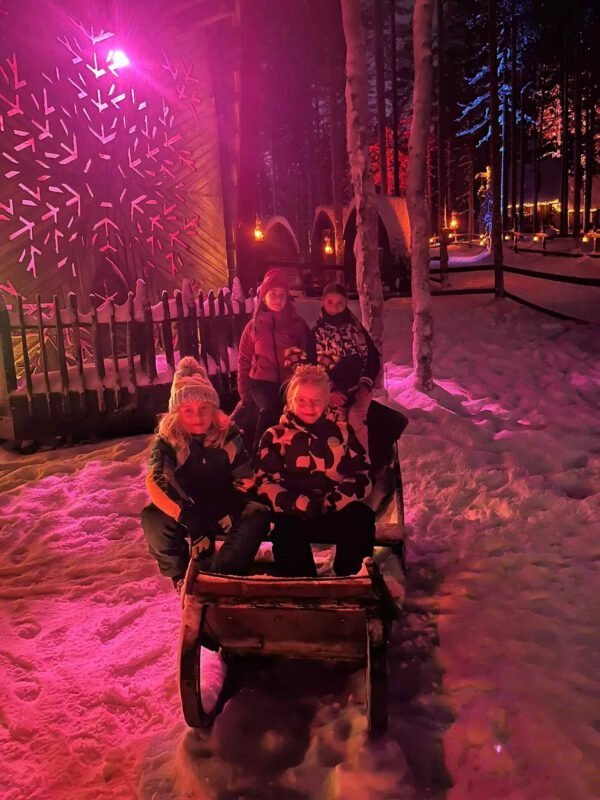
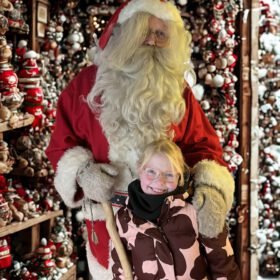
You start noticing the tiny things—the deep snow crunching under your soles, the frantic yaps of eager huskies getting ready to pull a sled, or the look on your kids’ faces the exact second they step into Santa’s cabin. You find yourself standing in the middle of a white wilderness, wrapped in a heavy, peaceful quiet you can’t find back home, craning your neck toward a dark sky hoping for a flash of green aurora. Those cold, quiet moments are the ones that stick with you for years.
If you’re still sweating over the price tag of a trip like this, check out our guide on how to visit Finnish Lapland on a budget without missing the magic. A little clever planning goes a long way out here, and you really don’t need to empty your savings account to get the full Arctic experience.
My last bit of advice? Pack lighter than you think you need to and leave extra room in your bags. Lapland has a way of sending you home with far more souvenirs—and heavy knitwear—than you came with.
Ready to Start Packing?
Getting ready for a trip up to Lapland takes a bit of work, but you don’t need to reinvent the wheel here.
I put together a free Lapland Packing List based on every single thing our family learned while packing for our own northern trip. It covers all the practical gear you’ll actually need in your bags, meaning you can just print it out and check items off as you toss them into your suitcase.
Grab your free Lapland Packing List and start getting ready for the cold. The less time you spend lying awake at night worrying if you forgot the thermal socks, the more time you get to spend actually getting excited for the snow.
Planning Your Finnish Lapland Adventure?
Taking the kids up to Lapland isn’t quite like booking a standard beach week—it takes a bit extra to pull off smoothly.
Between sorting out cozy places to stay, figuring out which tours are actually worth your hard-earned cash, and wrestling everyone into thermal layers, there’s a lot to juggle. Oh, and you’re doing it all in just a few hours of dim winter light. We built our main [Finnish Lapland travel guide] to help you get a grip on those big-picture details first. Once the logisitics are out of the way, you can check out our honest takes on [where to stay in Lapland with kids], our favorite snow day excursions, and what really happened on our own journey up north.
Honestly, the secret to this trip isn’t cramming every hour with reindeer rides. It’s about packing the right winter gear, giving yourselves space to slow down, and being ready when the magic actually happens.
Lapland is waiting.
If you would rather spend your evening sipping hot cocoa and dreaming about snow-dusted pines instead of tumbling down a rabbit hole of flight connections and log cabin rentals, we can take the heavy lifting off your hands and pull together an itinerary your whole family will love.
To provide the best experiences, we use technologies like cookies to store and/or access device information. Consenting to these technologies will allow us to process data such as browsing behavior or unique IDs on this site. Not consenting or withdrawing consent, may adversely affect certain features and functions.
Functional
Always active
The technical storage or access is strictly necessary for the legitimate purpose of enabling the use of a specific service explicitly requested by the subscriber or user, or for the sole purpose of carrying out the transmission of a communication over an electronic communications network.
Preferences
The technical storage or access is necessary for the legitimate purpose of storing preferences that are not requested by the subscriber or user.
Statistics
The technical storage or access that is used exclusively for statistical purposes.The technical storage or access that is used exclusively for anonymous statistical purposes. Without a subpoena, voluntary compliance on the part of your Internet Service Provider, or additional records from a third party, information stored or retrieved for this purpose alone cannot usually be used to identify you.
Marketing
The technical storage or access is required to create user profiles to send advertising, or to track the user on a website or across several websites for similar marketing purposes.